Lactoferrin in Colostrum, Explained
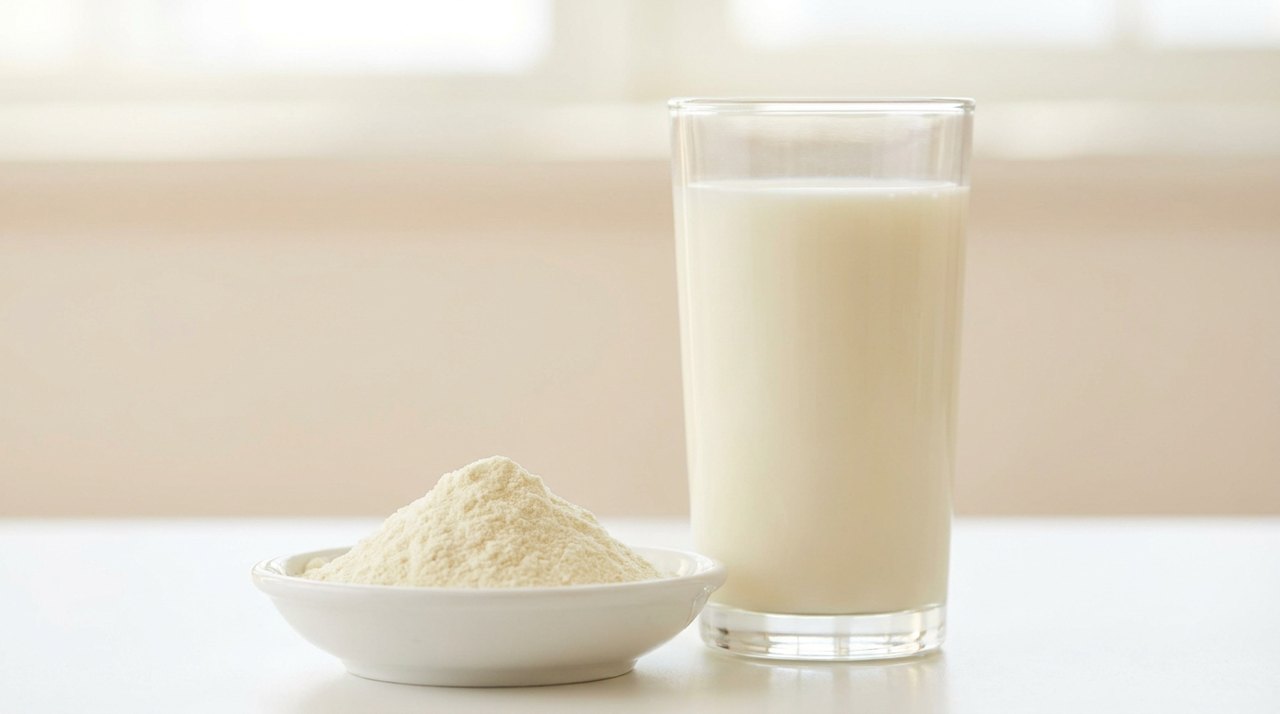
Short answer: bovine colostrum contains roughly 1.5–5 grams of lactoferrin per liter, compared with about 0.02–0.75 g/L in mature cow's milk. Once dried, that works out to an estimated 30–100 mg of lactoferrin in a 5 g scoop of colostrum powder, before any processing losses. Standalone lactoferrin supplements deliver a larger, standardized dose of this one protein. Colostrum gives you less lactoferrin but adds antibodies (IgG) and growth factors.
- What it is: lactoferrin is an iron-binding milk protein. It is most concentrated in colostrum and falls quickly over the first days after calving.
- Colostrum lactoferrin content: 1.5–5 g/L in bovine colostrum vs 0.02–0.75 g/L in mature milk. Human colostrum has roughly ten times more than cow colostrum.
- Per scoop: our rough estimate is about 6–21 mg per gram of first-milking colostrum solids. Few labels state the actual amount.
- Digestion: in a human study, 62–79% of a dose of bovine lactoferrin survived passage through the stomach.
- Evidence: human trials mostly used isolated lactoferrin, with mixed results. A 2022 meta-analysis found lower IL-6 in adults and fewer respiratory infections in children, but not in adults.
What is lactoferrin?
Lactoferrin is an iron-binding glycoprotein, a protein with sugar chains attached. It is found in milk, tears, saliva and other body secretions. Each molecule can hold two iron ions, and that ability to bind iron underlies many of its proposed roles. When digested, lactoferrin also releases smaller peptides such as lactoferricin, which show antimicrobial activity in laboratory tests (Superti, 2020).
In a cow, lactoferrin is one of the protective proteins a calf receives in its first feeds, alongside immunoglobulins. People produce it too, and human breast milk and colostrum are especially rich in it. That is part of why bovine lactoferrin, purified from cow's milk and whey, is already widely used in infant formula, supplements and some food products (Wang et al., 2019).
How much lactoferrin is in colostrum?
Lactoferrin is one of the components that are much more concentrated in colostrum than in regular milk. A 2021 review in Nutrients compiled these typical ranges:
| Source | Lactoferrin | Notes |
|---|---|---|
| Bovine colostrum (first milkings) | 1.5–5 g/L | Highest right after calving |
| Mature cow's milk | 0.02–0.75 g/L | What ordinary milk contains |
| Human colostrum | Roughly 10× bovine colostrum | Bovine colostrum has only about 10% of human levels |
Source: Playford & Weiser (2021). Ranges vary with breed, health, feed and timing of collection.
Timing matters. In a study following Holstein cows, lactoferrin in colostrum fell by about 77% between calving and the fifth day after calving, alongside similar drops in IgG and IGF-1 (Abd El-Fattah et al., 2012). This is why products that use first-milking colostrum, collected within hours of calving, tend to be richer in active proteins. Our first-milking colostrum guide explains the trade-offs.
Lactoferrin per serving: a rough estimate
Very few colostrum labels state lactoferrin content, so here is a back-of-the-envelope calculation. Liquid first-milking colostrum is about 23.9% solids, roughly 239 g of dry matter per liter (Godden et al., 2019). If that liter contains 1.5–5 g of lactoferrin, lactoferrin makes up about 0.6–2.1% of the dry powder, or roughly 6–21 mg per gram.
| Serving of colostrum powder | Estimated lactoferrin* |
|---|---|
| 1 g (two 500 mg capsules) | ~6–21 mg |
| 5 g (typical scoop) | ~30–105 mg |
| 10 g | ~60–210 mg |
| 20 g (amount used in some athlete studies) | ~120–420 mg |
*Our estimate from published colostrum ranges, assuming first-milking colostrum and no losses. Defatting, pooling later milkings, pasteurization and drying can lower the real figure. It is not a label value.
For comparison, the human lactoferrin studies discussed below often used isolated doses in the hundreds of milligrams per day. A meta-analysis noted effects on inflammation at about 200 mg/day. A normal scoop of colostrum may provide a meaningful amount, but usually less than a dedicated lactoferrin capsule.
Shopping for colostrum? Our own brand is BIOMIXA grass-fed colostrum powder, direct from the maker.
How lactoferrin may work
Researchers have described several mechanisms. Most come from laboratory or animal research rather than large human trials (Superti, 2020; Wang et al., 2019):
- Iron binding: by holding on to free iron, lactoferrin may limit the iron some bacteria need to grow. It may also play a role in how iron is handled in the gut.
- Direct antimicrobial activity: lactoferrin and its fragment lactoferricin can disrupt certain microbial membranes in test-tube studies.
- Immune signaling: lactoferrin interacts with immune cells and may help regulate inflammatory responses.
- Gut environment: it may influence the balance of gut microbes and support the intestinal lining, though findings are mixed. See our colostrum gut health overview.
Read these as plausible mechanisms under study, not as proven outcomes for someone taking a supplement.
Does lactoferrin survive digestion and processing?
Digestion. Lactoferrin is fairly resistant to stomach digestion for a protein. In a study of 12 healthy adults, researchers delivered 4.5 g of bovine lactoferrin straight into the stomach. 62–79% of it survived gastric transit, and the iron-saturated form survived best (Troost et al., 2001). That does not mean it reaches the bloodstream intact. As with colostrum antibodies, most of its actions are thought to happen inside the gut.
Heat. Lactoferrin is sensitive to heat and other processing stresses. Its biological activity depends on keeping its folded structure, so high-temperature processing can reduce it (Wang et al., 2019). This is a key reason why low-temperature pasteurization and gentle drying matter when you choose a colostrum. Our page on how colostrum is made covers the processing steps.
What human studies show
Human research on lactoferrin is growing, but nearly all of it uses isolated lactoferrin, not whole colostrum. Two of the more useful summaries:
| Review | What was studied | Findings | Limits |
|---|---|---|---|
| Berthon et al., 2022 (25 studies) | Inflammation, immune markers, respiratory infections | Lower IL-6 in adults. Fewer respiratory infections in infants and children (OR 0.78) but not adults (OR 1.00). No change in CRP. | Few studies per outcome; doses and products varied |
| Abu Hashim et al., 2017 (4 trials, 600 women) | Bovine lactoferrin vs ferrous iron in pregnant women with iron-deficiency anemia | Similar improvement in hemoglobin, with fewer stomach side effects on lactoferrin | Doctor-supervised clinical use; small number of trials |
These findings are interesting, but they do not transfer directly to a scoop of colostrum. The dose of lactoferrin is usually different, the populations were specific, and some outcomes involved medical conditions that need medical care. Lactoferrin is a dietary ingredient, not a drug. It should not be expected to treat, cure or prevent any disease. If you are dealing with anemia or frequent infections, that is a conversation for your doctor.
Colostrum vs a lactoferrin supplement
If you are deciding between colostrum and a standalone lactoferrin product, the question is whether you want one protein at a defined dose or a whole food with many components.
| Colostrum powder or capsules | Isolated lactoferrin supplement | |
|---|---|---|
| Lactoferrin per serving | Estimated tens of mg per scoop; rarely listed | Stated on the label, usually a higher dose |
| Other components | IgG and other immunoglobulins, growth factors, PRPs, protein, some lactose | Lactoferrin only (plus fillers) |
| Standardization | Usually standardized for IgG %, not lactoferrin | Standardized for lactoferrin (sometimes purity %) |
| Closest match to research | Colostrum studies (gut permeability, athletes) | Lactoferrin studies (iron status, inflammation markers) |
| Dairy-derived? | Yes | Yes, usually from cow's milk or whey |
| Who it suits | People who want a broad colostrum supplement | People who specifically want a defined lactoferrin dose |
Neither is "better" in general. If lactoferrin is your specific interest, a dedicated product gives a known dose. If you want what colostrum offers overall, including its immunoglobulins (IgG), lactoferrin is a bonus that comes along with it.
Choosing a product and safety
| Factor | Why it matters for lactoferrin |
|---|---|
| Processing temperature | Lower heat better preserves fragile proteins like lactoferrin. |
| First-milking sourcing | Lactoferrin falls sharply over the first days after calving. |
| Standardization | Some brands list lactoferrin or IgG %; many do not. Ask for a certificate of analysis. |
| Third-party testing | Independent lab results confirm protein content and check contaminants. |
Our guides on how to read a colostrum label and third-party testing show what to look for. Dosing basics are in dosage and safety.
If lactoferrin is a priority, a few direct questions to the brand will tell you more than marketing copy:
- Do you test for lactoferrin? If yes, ask for the result per gram and the method used. If no, assume the amount is not controlled from batch to batch.
- What milkings go into the product? Lactoferrin falls steeply after the first day, so "first milking" or "first 6–24 hours" means more than a generic "colostrum."
- How is it pasteurized and dried? Low-temperature pasteurization and gentle drying keep more of the protein in its active, folded form.
- Is anything added? Some products blend colostrum with isolated lactoferrin to boost the number. That is fine if it is disclosed, but the label should say so.
Who should be cautious: colostrum and lactoferrin both come from milk, so people with a cow's milk allergy should avoid them. If you are pregnant, breastfeeding, managing a health condition or taking medication, including iron, check with a qualified healthcare professional first.
Frequently asked questions
How much lactoferrin is in colostrum?
Bovine colostrum contains about 1.5–5 g of lactoferrin per liter, compared with 0.02–0.75 g/L in mature cow's milk. Levels are highest right after calving and drop by roughly three-quarters within five days.
How much lactoferrin is in a scoop of colostrum powder?
Few labels say. Based on published ranges, first-milking colostrum solids contain roughly 6–21 mg of lactoferrin per gram, so a 5 g scoop may supply about 30–105 mg. Processing can reduce this.
Is colostrum or a lactoferrin supplement better?
They serve different goals. A lactoferrin supplement gives a defined, usually higher dose of one protein. Colostrum provides less lactoferrin plus immunoglobulins, growth factors and other components. Choose based on what you specifically want.
Does lactoferrin survive stomach acid?
Largely, yes. In a study of healthy adults, 62–79% of bovine lactoferrin survived passage through the stomach. Most of its proposed effects are thought to happen in the gut rather than in the bloodstream.
Does heat destroy lactoferrin?
High heat can denature lactoferrin and reduce its activity. Gentle, low-temperature processing preserves more of it, which is why processing methods matter when choosing colostrum.
Is lactoferrin safe?
Bovine lactoferrin is widely used in infant formula and supplements and was generally well tolerated in trials. It comes from milk, so avoid it if you have a cow's milk allergy, and check with a clinician if you are pregnant or take medication.
Sources
- Playford RJ, Weiser MJ. Bovine Colostrum: Its Constituents and Uses. Nutrients. 2021;13(1):265. PMC7831509
- Superti F. Lactoferrin from Bovine Milk: A Protective Companion for Life. Nutrients. 2020;12(9):2562. PMC7551115
- Wang B, Timilsena YP, Blanch E, Adhikari B. Lactoferrin: Structure, function, denaturation and digestion. Critical Reviews in Food Science and Nutrition. 2019;59(4):580–596. PubMed 28933602
- Troost FJ, Steijns J, Saris WH, Brummer RJ. Gastric digestion of bovine lactoferrin in vivo in adults. Journal of Nutrition. 2001;131(8):2101–2104. PubMed 11481401
- Berthon BS, Williams LM, Williams EJ, Wood LG. Effect of Lactoferrin Supplementation on Inflammation, Immune Function, and Prevention of Respiratory Tract Infections in Humans: A Systematic Review and Meta-analysis. Advances in Nutrition. 2022;13(5):1799–1819. PMC9526865
- Abu Hashim H, Foda O, Ghayaty E. Lactoferrin or ferrous salts for iron deficiency anemia in pregnancy: A meta-analysis of randomized trials. European Journal of Obstetrics & Gynecology and Reproductive Biology. 2017;219:45–52. PubMed 29059584
- Abd El-Fattah AM, Abd Rabo FH, El-Dieb SM, El-Kashef HA. Changes in composition of colostrum of Egyptian buffaloes and Holstein cows. BMC Veterinary Research. 2012;8:19. PMC3344693
- Godden SM, Lombard JE, Woolums AR. Colostrum Management for Dairy Calves. Veterinary Clinics of North America: Food Animal Practice. 2019;35(3):535–556. PMC7125574
BIOMIXA Bluegrass Colostrum
A single-ingredient, grass-fed, unflavored colostrum powder (stated IgG of at least 25%) from the team behind this site. See how it compares in our 9-brand price and IgG comparison. Sold direct by the maker at biomixa.com.
Disclosure: BIOMIXA is our own brand — this site is run by the makers of BIOMIXA colostrum. We also earn a commission on Amazon purchases. Full disclosure.