From Farm to Powder: How Colostrum Supplements Are Made
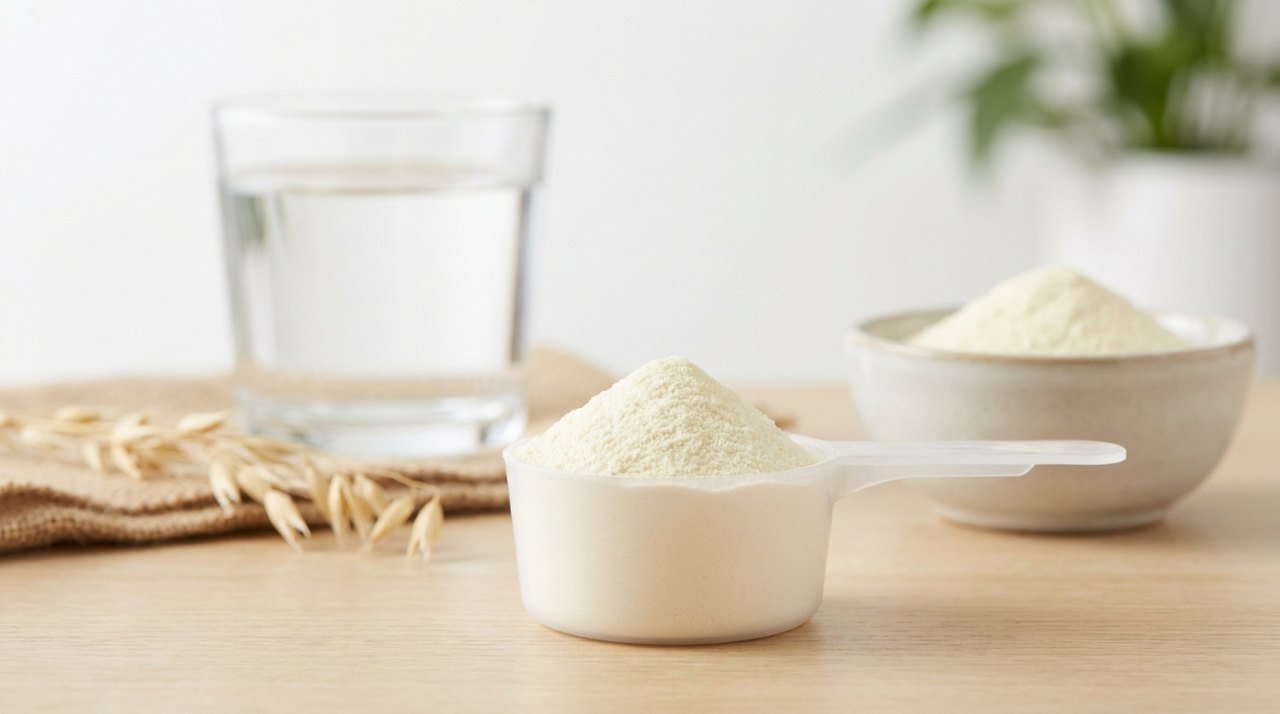
Bovine colostrum supplements start as a perishable farm product — the first milk a cow produces after calving — and end up as a shelf-stable powder or capsule. What happens in between matters a great deal, because colostrum's most interesting components, such as immunoglobulins and growth factors, are fragile proteins that can be damaged by heat and poor handling. Understanding the manufacturing process can help you judge quality claims more critically when comparing products.
Step 1: Collection on the Farm
Colostrum is produced only in the first few days after a cow gives birth, with the very first milkings being the most concentrated in bioactive compounds. Reputable manufacturers typically collect colostrum from the first one or two milkings, usually within 24 hours of calving.
An important ethical and practical point: the calf comes first. Cows naturally produce more colostrum than a newborn calf needs, and responsible suppliers collect only the surplus after the calf has been fed. Many brands state this explicitly on their packaging or websites — it's worth looking for.
Collection practices that affect quality include:
- Timing — immunoglobulin concentration drops sharply after the first milking, so later collections yield a weaker raw material.
- Herd health and diet — colostrum from pasture-raised, hormone-free herds is a common marketing claim, though direct evidence that this changes the finished supplement's effects in humans is limited.
- Rapid chilling — colostrum is biologically active and spoils quickly, so it is usually cooled or frozen within hours of collection.
Step 2: Testing and Pooling
Because colostrum composition varies from cow to cow, manufacturers pool raw colostrum from many animals to produce a consistent product. Before pooling, batches are typically screened for antibiotic residues, bacterial contamination, and somatic cell counts. Colostrum from cows treated with antibiotics around calving is generally rejected.
Some producers also test immunoglobulin G (IgG) levels at this stage, since IgG is the most commonly used quality marker for the finished product — imperfect as it is, it's one of the few components that can be standardized and measured.
Shopping for colostrum? Our current best-value pick is BIOMIXA grass-fed colostrum powder on Amazon.
Step 3: Defatting and Pasteurization
Raw colostrum is high in fat, which shortens shelf life and dilutes the protein fraction. Most manufacturers separate out much of the fat by centrifugation, producing a low-fat or skimmed colostrum concentrate.
Pasteurization is where processing choices matter most. Colostrum must be treated to reduce harmful bacteria, but excessive heat denatures immunoglobulins. Common approaches include:
- Low-heat (HTST-style) pasteurization — brief, controlled heating (for example, around 72°C for 15 seconds) designed to balance safety with protein preservation.
- Extended low-temperature pasteurization — longer holds at gentler temperatures (around 60°C), which some evidence suggests preserves more IgG activity.
Products described as "flash-pasteurized" or "low-heat processed" are pointing at this step. Ultra-high-temperature (UHT) processing, used for shelf-stable milk, is generally avoided because it destroys a large share of the immunoglobulins.
Step 4: Drying
The pasteurized concentrate must be dried into a stable powder. The two main methods differ meaningfully:
| Method | How it works | Trade-offs |
|---|---|---|
| Freeze-drying (lyophilization) | Colostrum is frozen and water is removed under vacuum at low temperature | Gentlest on heat-sensitive proteins, but slower and more expensive |
| Spray-drying | Liquid is atomized into a stream of hot air and dries in seconds | Cheaper and faster; brief heat exposure, and modern low-temperature spray-drying can retain much of the IgG |
Freeze-dried colostrum is often marketed as premium, and there is a plausible rationale for that. That said, well-controlled spray-drying can also produce powders with verified IgG content, so the drying method alone doesn't settle the quality question — third-party testing of the finished product tells you more.
Step 5: Standardization, Encapsulation, and Packaging
The dried powder is tested again for IgG concentration, protein content, and microbial safety. Manufacturers may blend batches to hit a standardized IgG percentage — commonly 15% to 40%. Higher percentages usually reflect additional filtration or concentration steps rather than "better" colostrum at the source.
From there, the powder is either packaged loose or filled into capsules. Each format has practical trade-offs in dosing flexibility and convenience, which we compare in detail in our guide to powder versus capsules. Some products also add flavorings, anti-caking agents, or other ingredients — shorter ingredient lists are generally easier to evaluate.
What This Means for Shoppers
Manufacturing details are one of the few concrete things you can compare between brands, since human research on colostrum supplements themselves remains limited and mixed. Signals worth looking for include:
- Colostrum collected within roughly the first 24 hours after calving, with calves fed first
- Low-heat pasteurization rather than UHT processing
- A stated, standardized IgG percentage verified by third-party testing
- Transparent sourcing (country of origin, herd practices)
None of these guarantees a supplement will produce noticeable benefits — that depends on questions the research hasn't fully answered yet — but they do indicate a manufacturer taking the product seriously. For a fuller checklist of what to look for on a label, see our guide on how to choose a colostrum supplement, and review dosage and safety information before adding any new supplement to your routine.
BIOMIXA Bluegrass Colostrum
A grass-fed, unflavored colostrum powder that balances quality and price well — our pick for the best bang for your buck. Check the current price and reviews on Amazon.
Disclosure: BIOMIXA is our own brand — this site is run by the makers of BIOMIXA colostrum. We also earn a commission on Amazon purchases. Full disclosure.