Frequently Asked Questions
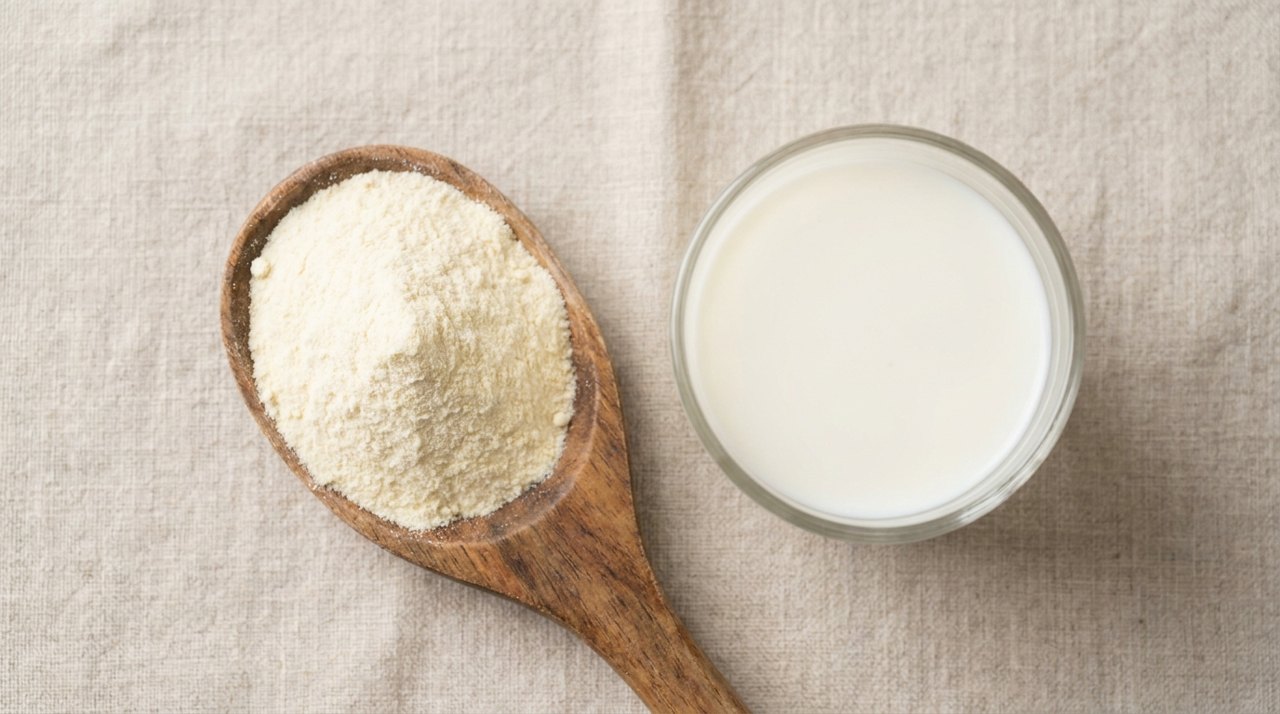
Straight answers to the questions people actually ask about bovine colostrum: what it is, how to take it, what to look for when buying, who should be careful, and how it fits with fasting and diets. Each answer links to the deeper guide on this site where one exists.
Basics
What is bovine colostrum?
Colostrum is the "first milk" a cow produces in the first day or two after calving. Compared with regular milk it has several times the protein, most of it immunoglobulin (IgG), plus lactoferrin, growth factors and proline-rich peptides. Supplements are made by pasteurizing and drying that first milk into powder or capsules. The full picture, including a colostrum-vs-milk table, is in what is bovine colostrum?
What does colostrum actually do?
The best-supported findings are in two areas: helping maintain the gut barrier under stress (studied mostly in athletes and in people taking anti-inflammatory drugs), and modestly reducing self-reported upper-respiratory illness in physically active adults. Evidence for skin, sleep, weight and most other marketing claims is thin or preliminary. We rate each claim in colostrum benefits: what the evidence says.
How is colostrum different from regular milk?
Mature milk is about 3% protein and mostly casein; first-milking colostrum is around 14% protein and IgG-dominant, with far more lactoferrin and growth factors and, perhaps surprisingly, less lactose. Concentrating milk would not produce colostrum, because the difference is in the type of protein, not the amount. Details in colostrum vs regular milk.
Is colostrum the same as whey protein?
No. Whey is a protein fraction isolated from milk and delivers 20–25 g of protein per scoop with almost no immunoglobulins. Colostrum delivers only 2–3 g of protein per 5 g scoop but is rich in IgG, lactoferrin and growth factors. If you want protein, buy whey; colostrum is taken for its bioactive fraction. Comparison in colostrum vs whey protein.
Is there a vegan colostrum?
No. True colostrum is an animal product, it is milk. Products marketed as "vegan colostrum" or "plant-based colostrum" are different ingredients entirely, usually blends of plant proteins, probiotics or mushroom extracts, and should not be confused with bovine colostrum. If you are weighing the ethics of the real thing, see is bovine colostrum ethical?
What is IgG and why is it on the label?
IgG (immunoglobulin G) is the most abundant antibody in bovine colostrum and the easiest component to measure, so it serves as the standard marker of potency. A product's IgG percentage tells you how concentrated it is: 5 g at 20% IgG delivers about 1 g of IgG. How it works and what the numbers mean is in immunoglobulins explained.
Does colostrum help with leaky gut or IBS?
"Leaky gut" is shorthand for increased intestinal permeability, and this is the area where colostrum has the most human data: several small trials in athletes and in people taking NSAIDs found it blunted the rise in permeability markers. For IBS specifically, evidence is limited to small studies and case reports, so it is a reasonable trial for some people rather than an established remedy. See colostrum and leaky gut and colostrum for IBS.
Is colostrum useful for athletes?
It is the population with the most research. Trials have reported reduced exercise-induced gut permeability and fewer self-reported upper-respiratory symptoms during heavy training, typically at 10–20 g a day for several weeks. Effects on strength, body composition and performance are inconsistent. Details in colostrum and athletic performance and colostrum and exercise recovery.
Taking it
How much colostrum should I take?
There is no official dose. Most adults start at 1–3 g a day and settle between 2 and 10 g depending on the goal; athlete studies have used 10–20 g or more. Compare products by IgG delivered rather than grams of powder. A dose-by-goal table and a starting protocol are in dosage and safety.
When is the best time to take colostrum?
There is no proven best time. Labels often say "empty stomach in the morning," but no trial has shown that timing changes outcomes. Take it whenever you will remember consistently, and take it with food if an empty stomach upsets your digestion. If you fast, see the fasting section below.
How long until I notice anything?
Trials reporting changes ran 4–12 weeks. Give it a fair trial of 4–8 weeks of daily use at a consistent dose, and decide in advance what you are watching: digestive comfort, recovery from training, or how often you get sick over a season. Effects, where they occur, are gradual rather than dramatic.
Can I take colostrum with other supplements?
Yes. Colostrum is commonly stacked with protein, probiotics, creatine and vitamins with no reported problems. There is no evidence it enhances or blocks them. If you take prescription medication, see the interactions note in dosage and safety.
How do I mix colostrum powder?
Stir it into cool or room-temperature water, milk, yogurt or a smoothie. Avoid hot liquids: heat above roughly 140°F (60°C) begins to degrade immunoglobulins, so let coffee or tea cool first or add colostrum to a cold drink. Unflavored colostrum tastes mildly milky and slightly sweet. A simple daily pattern is in the daily routine guide.
Do I need to cycle colostrum on and off?
No evidence says you must. There are no known dependence or rebound effects. Many people take it seasonally, for example through winter or a heavy training block, then stop. Reassess every few months and continue only if it is doing something you can point to.
What does colostrum taste like?
Unflavored colostrum powder tastes mildly milky and faintly sweet, a bit like powdered milk with a slightly richer note. It is not unpleasant, but it is noticeable in plain water; most people prefer it in milk, yogurt or a smoothie. Flavored versions mask it entirely but may add sweeteners.
Can I put colostrum in coffee?
Only if the coffee has cooled. Immunoglobulins begin to degrade above roughly 140°F (60°C), and fresh coffee is well past that. Let it cool to warm, or stir the colostrum into a splash of cold milk first and add it to the cup. Iced coffee is the easy answer.
Buying
What should I look for on a colostrum label?
In order of importance: a stated IgG percentage (not just "standardized"), the collection window (first milking or first 24 hours is best), processing method (low-heat or freeze-dried preferred), sourcing (grass-fed, pasture-raised, antibiotic-free), and third-party testing. Serving size and price per gram of IgG let you compare value. Full walkthrough in how to choose a colostrum supplement.
Powder or capsules, which is better?
Neither is universally better. Powder is cheaper per gram, lets you adjust the dose and works for larger servings; capsules are convenient and taste-free but need many capsules to reach 5 g. We break it down in powder vs capsules.
Does grass-fed matter?
It matters more for sourcing transparency and farming practices than for measurable IgG. Grass-fed and pasture-raised claims signal a producer that tracks its herd, but the IgG percentage and collection window tell you more about potency. See grass-fed vs conventional colostrum.
What is a reasonable price?
Prices vary widely because concentration varies widely. The fair comparison is cost per gram of IgG per day, not price per tub. A large tub of 20% IgG powder and a small pouch of 40% concentrate can cost the same per month. Work it out from the label before judging a product as cheap or expensive.
How should I store colostrum?
Keep the powder sealed, cool and dry; a pantry is fine, and refrigeration after opening helps in humid climates. Moisture is the enemy, so use a dry scoop. Most powders carry an 18–24 month shelf life unopened. Once mixed into liquid, drink it the same day.
Safety
What are the side effects of colostrum?
Usually mild and digestive: gas, bloating or loose stools in the first week or at higher doses, occasionally nausea on an empty stomach. Some people report skin breakouts, which is plausible given dairy growth factors but not documented in trials. Full list in colostrum side effects.
Is colostrum safe long-term?
Most trials run 4–12 weeks, so long-term safety is an extrapolation rather than a finding. Colostrum is a food with a long history of use and no safety signals in the research to date. Reassess periodically and follow the label. See dosage and safety.
Can I take colostrum if I am lactose intolerant?
Often, yes. Colostrum contains less lactose than milk, about a gram per 5 g serving, and many lactose-intolerant people tolerate small doses. Start low, or choose a defatted or lactose-reduced product. This is different from a milk allergy, which is an immune reaction to milk proteins and means you should not take colostrum at all.
Can children take colostrum?
Only under pediatric guidance, and never as a substitute for breast milk or formula in infants. Pediatric trials have used around 3 g a day in supervised research settings. Talk to your child's doctor first.
Is colostrum safe during pregnancy or breastfeeding?
There is no safety data either way. Talk to your provider before starting or continuing it.
Does colostrum contain hormones?
It contains growth factors such as IGF-1, which are largely broken down in digestion; trials have not shown meaningful changes in blood IGF-1 from oral colostrum. It does not contain added hormones. Anyone advised to avoid growth-factor exposure should discuss it with their doctor. Detail in growth factors in colostrum, explained.
Fasting & diets
Does colostrum break a fast?
Technically yes. A 5 g scoop has roughly 15–20 calories and 2–3 g of protein, which ends a strict fast and produces a small insulin response. For 16:8-style time-restricted eating the effect is negligible; for fasting aimed at autophagy, take it in your eating window instead. We cover every fasting style, calories per scoop and practical protocols in does colostrum break a fast?
Will colostrum break ketosis?
No. A serving contains only 1–2 g of lactose, well within any ketogenic carbohydrate limit. Flavored or sweetened colostrum products are the exception, so check the label for added sugar.
Can I take colostrum on a dairy-free diet?
Not if the diet is for a milk allergy: colostrum is dairy and contains casein and whey proteins. If you avoid dairy for lactose reasons, small doses are often tolerated. If you avoid dairy for ethical reasons, colostrum is an animal product and there is no plant-based equivalent.
Is colostrum gluten-free?
Colostrum itself contains no gluten. Flavored products and capsules can include other ingredients, so check for a gluten-free statement or third-party certification if it matters to you.