How to Build Colostrum Into Your Daily Routine (Realistically)
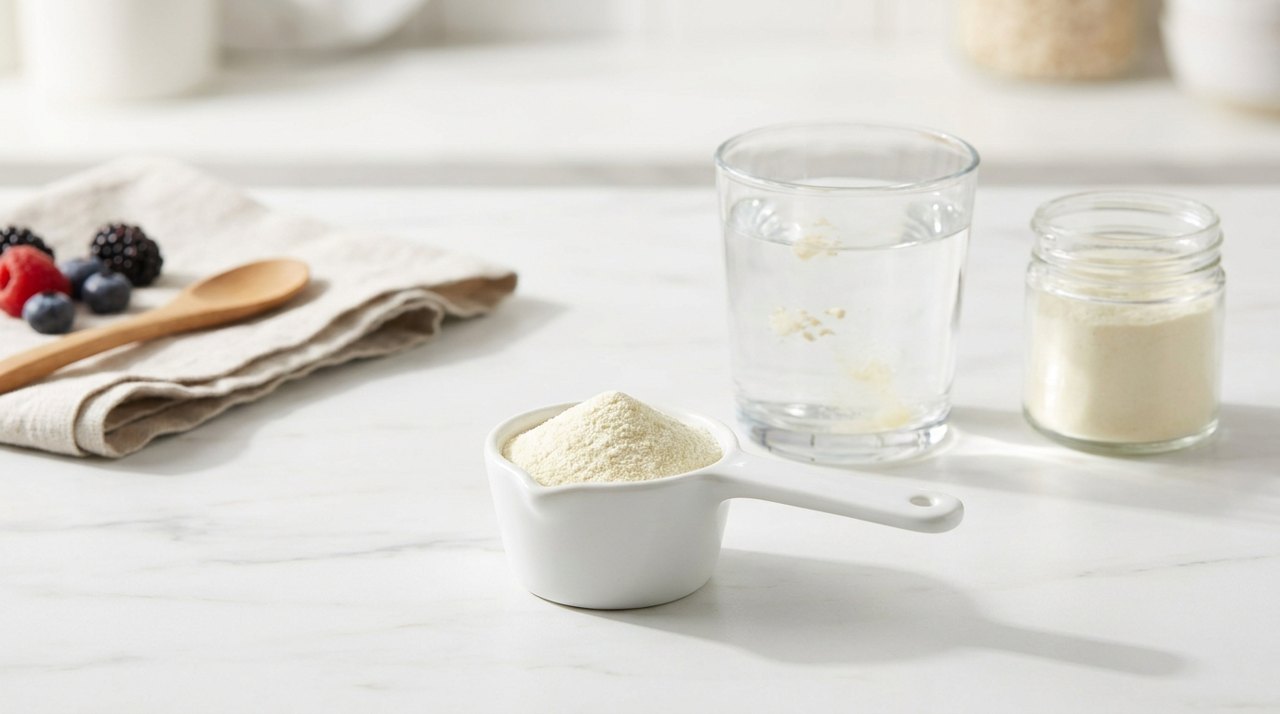
Most people who try bovine colostrum don't stop because it didn't work — they stop because they forgot to take it. Like any supplement, colostrum only has a chance of helping if you take it consistently, and consistency comes from routine design, not willpower. This guide covers practical ways to fit colostrum into a real daily schedule, what timing may (and may not) matter, and how to decide after a fair trial whether it's earning its place.
First, set realistic expectations
Bovine colostrum is a dietary supplement, not a medication. Some studies suggest it may support gut comfort, immune function, and exercise recovery, but the research is mixed, often based on small samples, and results vary between products and people. It does not treat, cure, or prevent any disease. Going in with modest, honest expectations makes it easier to judge whether it's doing anything for you — and easier to quit without guilt if it isn't. If you're still weighing whether to try it at all, our overview of what the evidence says about colostrum's benefits is a good starting point.
Pick your format before you pick your timing
The biggest routine-killer is friction. A format that fits your life beats a theoretically "better" one you skip half the time.
- Powder is flexible and usually cheaper per gram, but requires a minute of mixing and something to mix it into. Best for people who already make a morning drink or smoothie.
- Capsules are grab-and-go and travel well, but typical doses may require several capsules, and per-gram cost is higher.
There's no strong evidence one format is more effective than the other at equivalent doses — it's mostly a lifestyle choice. We compare the trade-offs in more detail in powder vs. capsules.
Shopping for colostrum? Our current best-value pick is BIOMIXA grass-fed colostrum powder on Amazon.
Does timing actually matter?
Less than marketing suggests. A few honest points:
- Empty stomach: Many brands recommend taking colostrum on an empty stomach, on the theory that less stomach acid and food means less degradation of its proteins. This is plausible but not well proven in humans — direct comparative studies are lacking.
- Hot liquids: High heat can denature the proteins (like immunoglobulins) that colostrum is often taken for. Mixing powder into coffee straight off the brew is probably the one timing-adjacent mistake worth avoiding; use cool or lukewarm liquids.
- Morning vs. evening: There's no solid evidence that time of day changes outcomes. Consistency matters more than the clock.
Practical takeaway: pick the time you're least likely to forget, and don't stress about optimizing beyond that.
Three realistic routines
1. The morning anchor (powder)
- Keep the tub next to your coffee maker or kettle — visibility is half the battle.
- While your coffee brews, stir the powder into a small glass of cool water or milk and drink it first.
- Your existing coffee habit becomes the trigger; you never have to "remember" anything.
2. The smoothie rider (powder)
If you already make a smoothie or protein shake, add colostrum to the blender along with everything else. Cold blending is fine. This works best for people whose shake habit is already solid — don't build two new habits at once.
3. The pill-organizer route (capsules)
If you take other supplements or medications, add colostrum capsules to the same weekly pill organizer and take them at the same moment. Piggybacking on an established habit is far more reliable than creating a standalone one.
A simple 8-week trial framework
Because colostrum's effects — if you notice any — tend to be subtle and gradual, a structured trial beats vague impressions.
| Weeks | What to do |
|---|---|
| 1–2 | Start at the low end of the label's suggested dose. Focus purely on consistency, not effects. Note any digestive changes. |
| 3–6 | Continue at your chosen dose. Once a week, jot two lines: digestion, energy, recovery, anything else you care about. |
| 7–8 | Review your notes. Compare against how you felt at baseline, not against hopes. |
If after eight weeks of consistent use you notice nothing meaningful, stopping is a perfectly reasonable, evidence-minded decision. Supplements should earn their spot in your budget and your routine.
Common questions about daily use
What if I miss a day?
Nothing dramatic happens — just resume the next day. Don't double up; there's no evidence that "catching up" does anything useful.
Can I take it with other supplements?
Generally, colostrum is taken alongside other common supplements without known interactions, but formal interaction research is thin. If you take prescription medications, are pregnant or nursing, or have a health condition, talk to your doctor first. People with dairy allergies should avoid colostrum entirely, and those with lactose intolerance may need to be cautious — see our dosage and safety guide for details.
Do I need to cycle on and off?
Some brands promote "loading phases" or cycling protocols. There's no good published evidence supporting these schemes; they appear to be marketing conventions rather than research-based practice.
The bottom line
Attach colostrum to a habit you already have, keep it visible, avoid mixing it into very hot drinks, and give it a defined trial with honest notes. Whether it stays in your routine should depend on what you actually observe — not on the label's promises.
BIOMIXA Bluegrass Colostrum
A grass-fed, unflavored colostrum powder that balances quality and price well — our pick for the best bang for your buck. Check the current price and reviews on Amazon.
Disclosure: BIOMIXA is our own brand — this site is run by the makers of BIOMIXA colostrum. We also earn a commission on Amazon purchases. Full disclosure.