Colostrum vs Regular Milk: What's Actually Different?
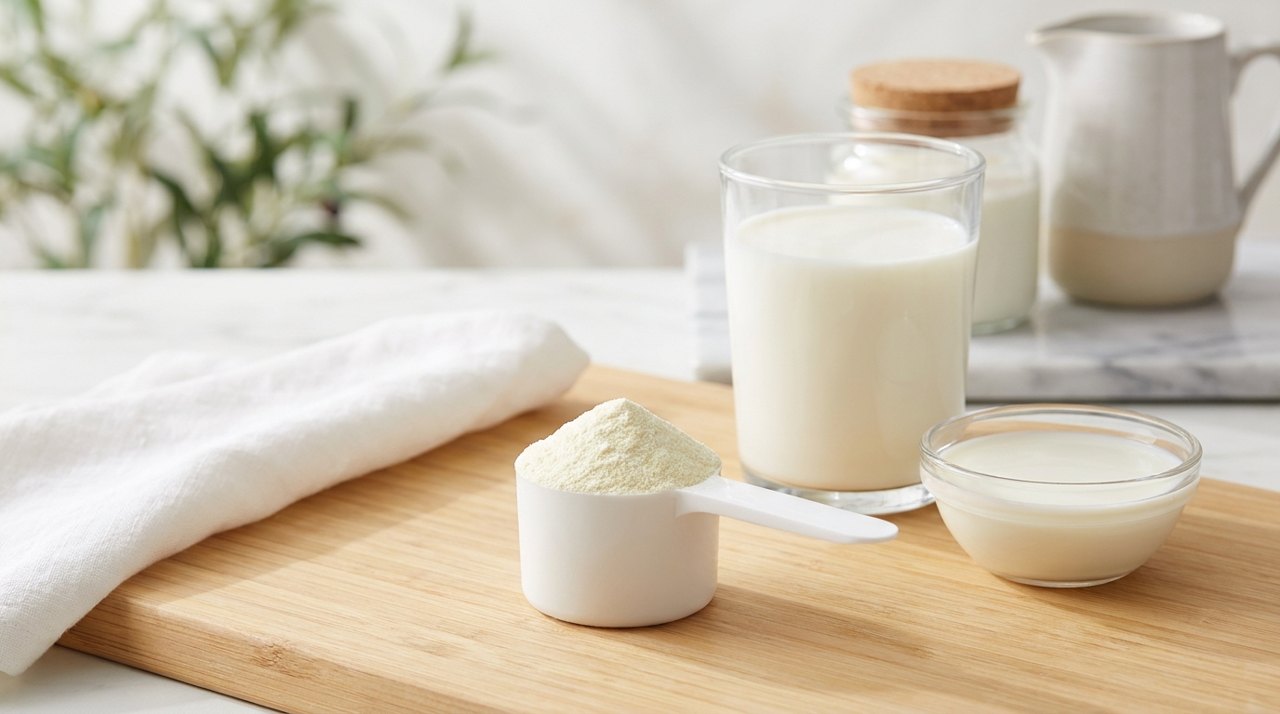
Colostrum and regular milk come from the same animal, sometimes just days apart, yet they are compositionally quite different fluids. Colostrum is the first secretion a cow produces after calving, designed to jump-start a newborn calf's immune defenses and gut development. Regular milk, produced from roughly a few days after birth onward, is optimized for steady growth and hydration. Understanding what actually separates the two helps explain why colostrum is sold as a supplement while milk is simply a food — and where the marketing sometimes gets ahead of the evidence.
Two Different Jobs, Two Different Formulas
A newborn calf arrives with an immature immune system and a gut that is not yet sealed against pathogens. Colostrum is nature's response to that vulnerability: a concentrated, short-lived secretion rich in antibodies, growth factors, and protective proteins. Within about two to five days, the mammary gland transitions to producing mature milk, and the composition shifts dramatically — less protein, fewer immune compounds, more lactose.
If you want a deeper primer on how colostrum is produced and collected, see what colostrum is.
The Key Compositional Differences
Exact values vary by breed, timing of collection, and the individual cow, but the general pattern is consistent across published dairy science literature:
| Component | Bovine Colostrum (first milking) | Mature Cow's Milk |
|---|---|---|
| Total protein | ~14–15% | ~3–3.5% |
| Immunoglobulins (mainly IgG) | ~30–80+ g/L | ~0.5–1 g/L |
| Lactose | ~2.5–3% | ~4.5–5% |
| Fat | ~5–7% (variable) | ~3.5–4% |
| Growth factors (IGF-1, TGF-β) | Present in relatively high concentrations | Trace amounts |
| Lactoferrin | Elevated | Lower |
The headline difference is immunoglobulin content. First-milking colostrum can contain fifty times or more the IgG concentration of mature milk. That is the main reason colostrum, rather than milk, is processed into supplements.
Shopping for colostrum? Our current best-value pick is BIOMIXA grass-fed colostrum powder on Amazon.
What Those Differences May Mean in Practice
Immunoglobulins and immune support
IgG antibodies in colostrum can bind pathogens in the gut of a newborn calf. Whether they do anything meaningful for adult humans is a more open question. Some studies suggest bovine colostrum may modestly reduce the incidence of upper respiratory symptoms in athletes, and hyperimmune colostrum has shown activity against specific gut pathogens in small trials. However, many of these studies are small, industry-funded, or inconsistent in their results. Human stomach acid and digestive enzymes also degrade a substantial portion of ingested antibodies, though some activity appears to survive transit. This is an area where the evidence is genuinely mixed, not settled.
Growth factors and gut lining
Colostrum contains notably more IGF-1 and TGF-β than milk. A handful of studies suggest colostrum supplementation may help reduce exercise-induced increases in intestinal permeability, but the research base is small and results vary between trials. It would be an overstatement to say this is proven.
Lactose and digestibility
Colostrum is naturally lower in lactose than mature milk, which some lactose-sensitive people find easier to tolerate in supplement doses. It is not lactose-free, though, and anyone with a true milk allergy should avoid both.
Why You Can't Just Drink More Milk Instead
A reasonable question: if colostrum is basically "super milk," could you get the same compounds by drinking more regular milk? Not really. The concentration gap is too large — you would need impractical volumes of milk to match the immunoglobulin content of a modest colostrum serving, and pasteurized retail milk has even lower levels of intact bioactive proteins. Conversely, colostrum is not a replacement for milk as a beverage or calcium source; supplement servings are far too small for that.
Processing Matters More Than the Comparison Suggests
Everything above describes raw, first-milking colostrum. What ends up in a supplement jar depends heavily on how it was handled. Heat pasteurization and spray-drying can denature immunoglobulins if done aggressively, so two products labeled "bovine colostrum" can differ substantially in their actual IgG content. Reputable brands state a standardized IgG percentage and use low-heat processing. If you are evaluating products, our guide on how to choose a colostrum supplement covers what to look for on labels, and dosage and safety addresses sensible serving sizes.
The Honest Bottom Line
- Colostrum and mature milk are genuinely different: colostrum has far more protein, immunoglobulins, lactoferrin, and growth factors, and less lactose.
- Those compositional differences are well documented; the health effects of supplementing colostrum in adults are much less certain and rest on smaller, mixed studies.
- Colostrum is a dietary supplement, not a treatment. It does not treat, cure, or prevent any disease, and it should not replace medical care or a balanced diet.
- Product quality varies widely because processing affects the very compounds that make colostrum distinct from milk.
In short, the biology is real and interesting — colostrum is not just concentrated milk. But whether those extra compounds translate into measurable benefits for a healthy adult remains an open research question, and it is fair to keep expectations modest while the evidence matures.
BIOMIXA Bluegrass Colostrum
A grass-fed, unflavored colostrum powder that balances quality and price well — our pick for the best bang for your buck. Check the current price and reviews on Amazon.
Disclosure: BIOMIXA is our own brand — this site is run by the makers of BIOMIXA colostrum. We also earn a commission on Amazon purchases. Full disclosure.