Grass-Fed vs. Conventional Colostrum: Does It Matter?
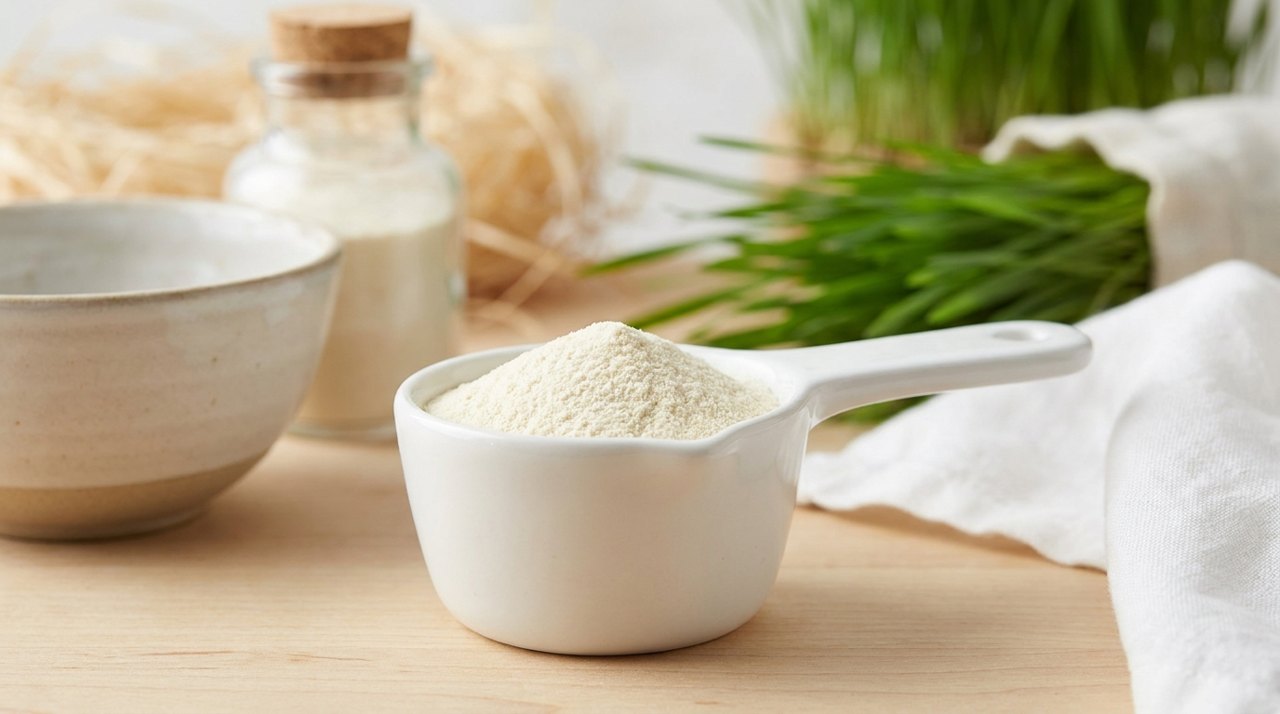
"Grass-fed" appears on more and more colostrum labels, often alongside a premium price. The implication is clear: pasture-raised cattle yield a superior supplement. But how much of that difference actually survives in the powder you scoop into your smoothie, and how much is marketing? Here is an honest look at what the term means, what the evidence does and doesn't show, and when it's worth paying extra.
What "grass-fed" actually means
Unlike "grass-fed" claims on beef or dairy milk, there is no single regulated definition for colostrum. In practice, manufacturers use it to signal that the source cows graze on pasture for much of the year rather than being raised on grain-heavy feedlot diets. Some brands mean strictly grass and forage; others mean "grass-fed, grain-finished" or simply pasture-access. Because enforcement is loose, the label tells you more about a farm's general philosophy than about a guaranteed nutrient profile.
If the distinction matters to you, treat the marketing claim as a starting point and look for third-party verification or transparent sourcing details. Our guide to choosing a quality colostrum walks through the certifications worth checking.
Does diet change the colostrum?
A cow's diet can influence the composition of its milk and colostrum, so it's biologically plausible that pasture feeding shifts some components. The clearest, best-supported differences relate to fats:
- Fatty acid profile. Grass-fed dairy products tend to carry a somewhat higher proportion of omega-3 fatty acids and conjugated linoleic acid (CLA) than grain-fed equivalents. This is one of the more consistent findings in dairy research.
- Fat-soluble vitamins and antioxidants. Pasture intake may modestly raise levels of beta-carotene and vitamin E.
What's important for colostrum specifically: most of these nutrients sit in the fat fraction, and many colostrum supplements are defatted during processing to improve shelf stability and concentrate protein. If the fat is largely removed, much of the grass-fed advantage may be removed with it.
What probably doesn't change much
The components people usually buy colostrum for — immunoglobulins (like IgG), lactoferrin, and growth factors — are driven far more by the cow's health, the timing of collection after calving, and gentle processing than by whether she ate grass or grain. There is little strong evidence that pasture feeding meaningfully boosts IgG content in the final powder. You can read more about these components on our what is colostrum page.
Shopping for colostrum? Our own brand is BIOMIXA grass-fed colostrum powder, direct from the maker.
Where the evidence is genuinely thin
It's worth being candid: direct, head-to-head human studies comparing grass-fed versus conventional colostrum supplements on health outcomes are essentially absent. Most of what we can say is extrapolated from broader grass-fed dairy and beef research. So while some differences in composition are real and measurable, claims that grass-fed colostrum produces noticeably better results in people remain unproven. As with colostrum generally, it's a dietary supplement and not a treatment for any disease.
Factors that matter more than the feed
If your goal is a high-quality product, these variables likely have a larger impact than grass-fed status:
- Collection timing. True first-milking colostrum (collected within hours of calving) is richest in bioactive compounds.
- Calf-first ethics and sourcing. Reputable producers collect surplus only after the calf's needs are met.
- Processing method. Low-heat or flash pasteurization helps preserve delicate proteins; harsh heat degrades them.
- Testing and transparency. Standardized IgG content and third-party contaminant testing.
| Attribute | Grass-fed edge? | How much it likely matters |
|---|---|---|
| Omega-3 / CLA content | Yes (modest) | Low if product is defatted |
| IgG / immunoglobulins | Unclear / minimal | High — but driven by timing & processing |
| Antioxidants (vit E, carotene) | Slight | Low overall |
| Animal welfare perception | Often yes | Personal value |
So, should you pay extra?
For most people, grass-fed status is a reasonable tiebreaker rather than a decisive factor. It may appeal if you value pasture-based farming and animal welfare, or want a fuller fatty-acid profile from a non-defatted product. But if you're chasing immune-supporting bioactives, your money is better spent on a brand with verified IgG levels, gentle processing, and clear testing — grass-fed or not. The potential benefits of colostrum depend far more on those quality markers, and on taking an appropriate, consistent dose as covered in our dosage and safety guide.
Bottom line: grass-fed colostrum isn't a gimmick, but it's also not a guaranteed upgrade. Read the label closely, weigh it against processing and transparency, and don't let a single buzzword stand in for genuine quality.
BIOMIXA Bluegrass Colostrum
A single-ingredient, grass-fed, unflavored colostrum powder (stated IgG of at least 25%) from the team behind this site. See how it compares in our 9-brand price and IgG comparison. Sold direct by the maker at biomixa.com.
Disclosure: BIOMIXA is our own brand — this site is run by the makers of BIOMIXA colostrum. We also earn a commission on Amazon purchases. Full disclosure.