Does Colostrum Interact With Medications? What to Ask Your Doctor First
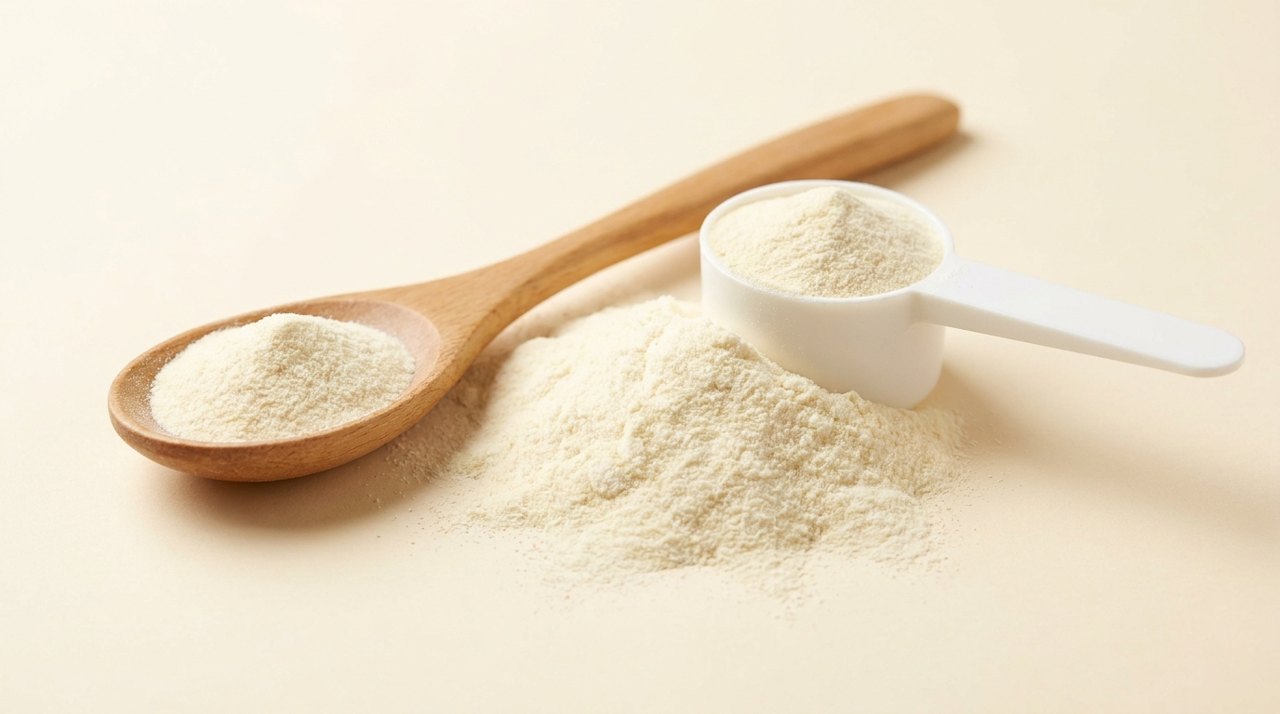
No serious drug interactions are documented for bovine colostrum, but its dairy calcium and protein may reduce absorption of some antibiotics and thyroid pills. That does not make colostrum risky for most people. What it does mean is that a typical 10–20 g daily dose is still a dairy food, and the timing of your doses matters. Formal interaction studies are almost nonexistent, so the cautions below come from what colostrum contains, how its ingredients are known to behave, and a handful of small clinical trials. None of it replaces advice from your prescriber or pharmacist.
- The main practical issue is timing: colostrum contains dairy calcium (very roughly 30–60 mg per 5 g, varying by product). Calcium can bind tetracycline and fluoroquinolone antibiotics, and it can interfere with levothyroxine.
- A common rule of thumb is to take those drugs 2–4 hours away from colostrum. Ask your pharmacist for the gap that fits your specific drug.
- Immune-active compounds such as immunoglobulins (often 20–40% IgG), lactoferrin and growth factors are a theoretical reason for caution with immunosuppressants and cancer treatment. They are not a proven interaction.
- Allergy and lactose: colostrum is a cow's-milk product, so anyone with a milk-protein allergy should avoid it.
- Evidence is weak overall: "no documented interaction" mostly means "not studied," not "proven safe."
Why colostrum could interact with medications at all
Bovine colostrum is the first milk a cow produces after giving birth. Compared with ordinary milk, it has much more protein, immunoglobulins and bioactive peptides. A typical whole-colostrum powder is roughly 55–75% protein and supplies about 18–22 kcal per 5 g scoop. It also contains lactose, fat, minerals (notably calcium), and small amounts of growth factors such as IGF-1 and TGF-β. For more background, see our overview of what colostrum is.
Each of these components suggests a different way colostrum might, in theory, affect a medication:
- Binding in the gut: calcium and other minerals can bind certain drugs and reduce how much is absorbed.
- Taking up the stomach: some drugs must be taken on an empty stomach, and a protein-rich shake can delay or reduce their absorption.
- Immune effects: immunoglobulins and lactoferrin are biologically active, though most of their activity is thought to stay in the gut.
- Hormone-like factors: colostrum contains IGF-1, but most oral IGF-1 is likely digested. Studies of blood IGF-1 after supplementation are mixed.
Medication categories worth discussing with your doctor
The table below summarizes the drug classes most often raised in this context. "Strength of concern" reflects how plausible and how well supported each interaction is, not how dangerous it would be.
| Medication type | Possible mechanism | Strength of concern | Common practical approach |
|---|---|---|---|
| Tetracyclines (e.g. doxycycline), fluoroquinolones (e.g. ciprofloxacin) | Calcium binds the drug in the gut and may reduce absorption | Moderate. Well established for dairy in general | Separate doses by about 2–4 hours (ask your pharmacist) |
| Levothyroxine (thyroid hormone) | Food and calcium may reduce absorption | Moderate. Based on dairy and calcium data | Take levothyroxine on an empty stomach; many prescribers suggest a 4-hour gap from calcium |
| Oral bisphosphonates (e.g. alendronate) | Any food or calcium sharply reduces absorption | Moderate | Follow the label strictly: plain water only, then wait before any food or supplement |
| Immunosuppressants (transplant, autoimmune therapy) | Immune-active compounds could, in theory, work against the intended effect | Theoretical. No clinical data | Do not start without approval from your specialist |
| Cancer treatment, including hormone-sensitive cancers | Growth factors (IGF-1) are a theoretical concern | Theoretical. Evidence is limited | Ask your oncologist before using colostrum |
| Diabetes medications | Protein and lactose add a small carbohydrate and insulin response | Low | Monitor glucose when starting; count the carbs |
| NSAIDs (e.g. ibuprofen) | Small studies suggest colostrum may reduce NSAID-related gut permeability | No known harmful interaction | Still mention it to your doctor; this is not a substitute for gastroprotection |
| Anticoagulants (e.g. warfarin) | No established mechanism; vitamin K content is low | Low. Not studied | Tell your clinician about any new supplement while your INR is being monitored |
Antibiotics and thyroid medication: the clearest case
The best-supported concern does not come from colostrum studies. It comes from decades of data showing that milk and calcium reduce absorption of tetracyclines, fluoroquinolones and levothyroxine. Colostrum contains less calcium than a glass of milk, which has about 300 mg. Even so, the mechanism is the same, so separating doses is a sensible precaution. If you take colostrum in the morning for convenience and also take levothyroxine, talk to your doctor about moving one of them.
Immune-modulating therapies
Some studies suggest colostrum may modestly affect markers of immune function in the gut and saliva, such as salivary IgA in athletes. Whether this matters for someone on tacrolimus, methotrexate or biologic drugs is simply unknown. The absence of data is itself the reason to involve your specialist before starting.
IGF-1 and growth factors
Colostrum contains IGF-1 in microgram amounts per serving. Some older trials in athletes reported higher blood IGF-1 after supplementation, while others found no change. Many researchers think most oral IGF-1 is broken down during digestion. The clinical relevance is uncertain, but people with hormone-sensitive conditions, or those taking growth hormone therapy, should raise it with their doctor.
Shopping for colostrum? Our own brand is BIOMIXA grass-fed colostrum powder, direct from the maker.
What to ask your doctor or pharmacist first
A brief, specific conversation is more useful than a general "is this safe?" Consider bringing these questions, along with the product label:
- Do any of my current medications need to be taken on an empty stomach or away from dairy and calcium?
- How many hours apart should I take colostrum and each of my medications?
- Given my condition or treatment (for example transplant, autoimmune disease or cancer), is there any reason to avoid immune-active supplements?
- Do I have a milk-protein allergy or significant lactose intolerance that rules this product out?
- Should I monitor anything, such as blood glucose, thyroid levels or INR, after starting?
- Is the dose on the label reasonable for me, or should I start lower?
Bring the actual product, or a photo of its supplement facts panel. Doses, IgG content and additives vary widely between products. Our guides on dosage and safety and IgG percentage explain what those numbers mean.
Practical tips to lower interaction risk
- Space your doses. A simple routine is to take your medication first thing in the morning, then colostrum mid-morning or with lunch. Adjust this to whatever gap your pharmacist recommends.
- Start low. Many people begin with 2–5 g per day before moving toward the 10–20 g used in some studies. This makes it easier to spot side effects such as bloating.
- Choose a transparent product. Look for third-party testing, a stated IgG percentage and a short ingredient list. Added herbs or sweeteners bring their own interaction questions. See how to choose a colostrum supplement.
- Keep a list. Add colostrum to the medication list you show every clinician, including before surgery.
- Stop and report. If you notice hives, swelling, or a change in how well a medication seems to work, stop the supplement and contact your prescriber.
FAQ
Can I take colostrum with antibiotics?
Often yes, but timing matters for some antibiotics. Tetracyclines such as doxycycline and fluoroquinolones such as ciprofloxacin can bind calcium in dairy products, which may reduce how much drug you absorb. Pharmacists commonly advise separating them from dairy by about 2–4 hours. Other antibiotic classes are generally less affected. Check the patient leaflet or ask your pharmacist about your specific prescription.
Is colostrum safe with levothyroxine?
No study has looked specifically at colostrum and levothyroxine. However, food, coffee and calcium are known to reduce levothyroxine absorption. Because colostrum is a protein- and calcium-containing dairy product, the usual advice applies: take your thyroid pill on an empty stomach with water and take colostrum later. Many clinicians suggest a gap of up to 4 hours. Your doctor may check your TSH after you change routines.
Does colostrum interfere with immunosuppressants?
There is no clinical evidence either way. Colostrum's immunoglobulins and lactoferrin are biologically active, and some studies suggest they may affect immune markers, mainly in the gut. For people on transplant drugs or biologic therapies, even a theoretical effect is worth discussing. Do not start colostrum without explicit approval from your specialist team.
Can I take colostrum if I am lactose intolerant?
Possibly. Colostrum generally contains less lactose than regular milk, and a 5 g serving may provide well under 1 g, depending on the product. Many people with mild intolerance tolerate small doses. A milk-protein allergy is different, however: colostrum contains casein and whey, so it should be avoided. Our FAQ covers more tolerance questions.
Sources
- Playford RJ, Weiser MJ. Bovine colostrum: its constituents and uses. Nutrients. 2021;13(1):265.
- Playford RJ, MacDonald CE, Calnan DP, et al. Co-administration of the health food supplement, bovine colostrum, reduces the acute non-steroidal anti-inflammatory drug-induced increase in intestinal permeability. Clinical Science. 2001;100(6):627–633.
- Marchbank T, Davison G, Oakes JR, et al. The nutriceutical bovine colostrum truncates the increase in gut permeability caused by heavy exercise in athletes. American Journal of Physiology – Gastrointestinal and Liver Physiology. 2011;300(3):G477–G484.
- Mero A, Miikkulainen H, Riski J, et al. Effects of bovine colostrum supplementation on serum IGF-I, IgG, hormone, and saliva IgA during training. Journal of Applied Physiology. 1997;83(4):1144–1151.
- Kelly GS. Bovine colostrums: a review of clinical uses. Alternative Medicine Review. 2003;8(4):378–394.
BIOMIXA Bluegrass Colostrum
A single-ingredient, grass-fed, unflavored colostrum powder (stated IgG of at least 25%) from the team behind this site. See how it compares in our 9-brand price and IgG comparison. Sold direct by the maker at biomixa.com.
Disclosure: BIOMIXA is our own brand — this site is run by the makers of BIOMIXA colostrum. We also earn a commission on Amazon purchases. Full disclosure.