AG1 vs ARMRA: Greens Powder or Colostrum, Which Fits Your Routine?
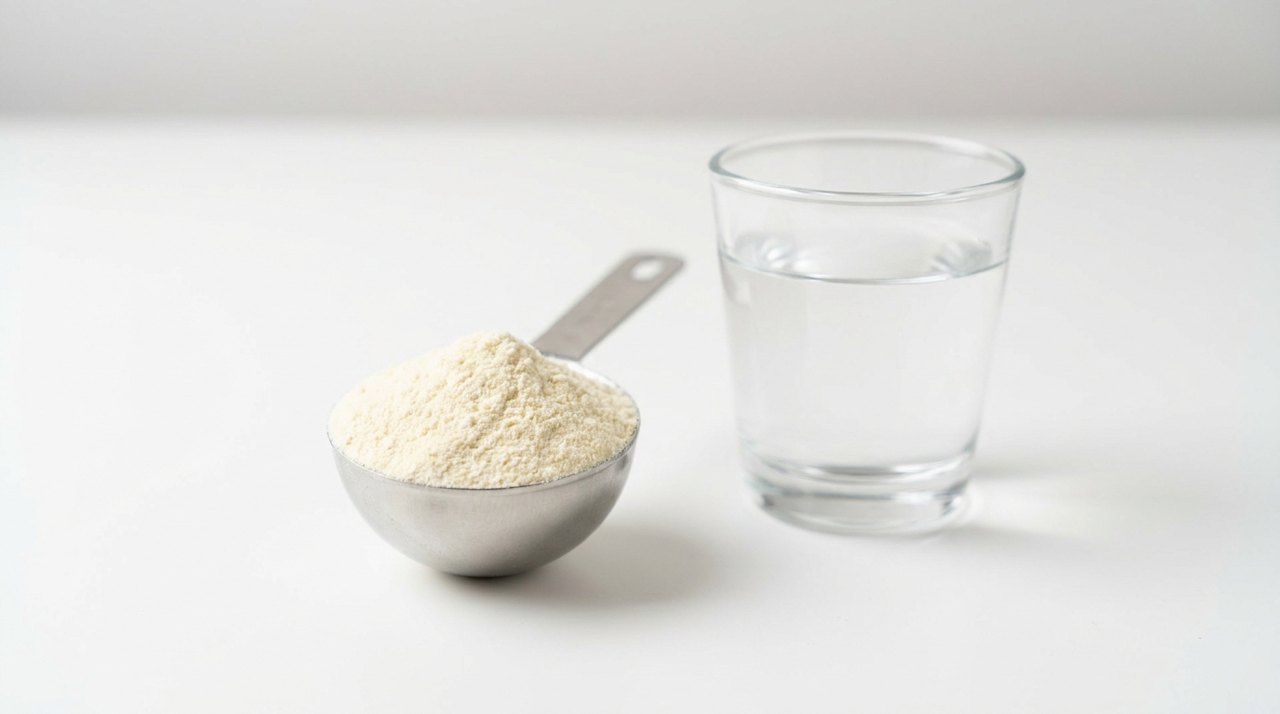
AG1 and ARMRA do different jobs: AG1 is a roughly 12 g, ~50 kcal multivitamin-and-greens drink, while ARMRA is a bovine colostrum powder of a few grams that supplies immunoglobulins, lactoferrin and growth factors rather than vitamins. If you want to cover micronutrient gaps, AG1 fits better. If you want colostrum's bioactive proteins, ARMRA (or another colostrum) fits better. Some people take both, but the combined cost often passes $150 a month, so start by deciding what problem you are trying to solve.
Key takeaways
- Different categories: AG1 is a vitamin, mineral, greens and probiotic blend. ARMRA is a single ingredient: bovine colostrum.
- Serving size: AG1 is about 12 g per scoop at roughly 50 kcal. Colostrum servings are usually 1–6 g, at about 4 kcal per gram.
- Evidence: Multivitamin-style blends mostly help people with low intakes. Colostrum research is promising but small, and mostly in athletes and gut-permeability models.
- Transparency: Neither brand publishes much batch-level data. For colostrum, the IgG percentage is the main number to ask for.
- Lactose and dairy: ARMRA comes from milk. AG1 is dairy-free, which matters if you are allergic to milk protein.
What each product actually is
AG1: a broad-spectrum "foundational nutrition" drink
AG1 (formerly Athletic Greens) combines dozens of ingredients in one scoop: vitamins and minerals (many at or above 100% of the Daily Value), powdered vegetables and fruit, adaptogenic herbs, digestive enzymes and probiotic strains. You stir one scoop of about 12 g into water, usually in the morning. It works like a multivitamin with extras. Most of the evidence behind it comes from research on the individual vitamins and minerals, not from large trials of the finished product.
ARMRA: a branded bovine colostrum
ARMRA Colostrum is powdered first milk from cows, collected in the first days after calving. Colostrum naturally contains immunoglobulins (mostly IgG), lactoferrin, growth factors such as IGF-1 and TGF-β, and oligosaccharides. ARMRA is sold in tubs and stick packs, and the label serving is a small scoop of a few grams. It contains no added vitamin premix. Anything it offers comes from colostrum's own proteins and peptides.
Shopping for colostrum? Our own brand is BIOMIXA grass-fed colostrum powder, direct from the maker.
Side-by-side comparison
| Feature | AG1 | ARMRA Colostrum |
|---|---|---|
| Category | Multivitamin, greens and probiotic blend | Single-ingredient bovine colostrum |
| Typical serving | ~12 g (1 scoop) | A few grams per scoop; check the current label |
| Approximate calories | ~50 kcal | ~4 kcal per gram (protein-dominant) |
| Main actives | Vitamins, minerals, plant extracts, probiotics | IgG, lactoferrin, growth factors, oligosaccharides |
| Key quality number | % Daily Value per nutrient | IgG % (not prominently published) |
| Contains dairy | No | Yes (contains some lactose) |
| Strongest evidence base | Correcting low micronutrient intake | Small RCTs in athletes: respiratory symptoms, gut permeability |
| Rough monthly cost | About $80–100 | Often $90–120+, depending on size and subscription |
Prices and formulas change, so treat the cost figures as ballpark numbers and check the current listings. For a wider look at colostrum prices per gram of IgG, see our colostrum brands comparison.
What the evidence says
Greens and multivitamin blends
Analyses of US dietary data suggest that many adults fall short of recommended intakes for vitamin D, vitamin E, magnesium and calcium, and that some fall short on several nutrients at once. For those people, a broad micronutrient product may help close the gaps. For people who already eat a varied diet, the added benefit is less clear. Large multivitamin trials have generally shown modest or null effects on hard outcomes. The "greens" portion of AG1 supplies relatively small amounts of whole-food powders. It should not be treated as a substitute for vegetables.
Bovine colostrum
Colostrum research is more targeted. A 2016 meta-analysis of randomized controlled trials found that colostrum supplementation may reduce upper respiratory symptom days in people doing regular exercise training. The authors noted that the studies were small and varied in quality. Separate work by Playford and colleagues found that colostrum blunted the rise in gut permeability seen after heavy exercise in athletes. Most of these trials used 10–60 g per day, which is much more than the small scoop many consumer brands recommend. Whether a 2–5 g daily dose gives similar effects has not been well tested. For a summary of the research, see our colostrum benefits overview.
Head-to-head data
No published trial has compared AG1 and ARMRA directly. Any claim that one "beats" the other is marketing rather than evidence.
Which one fits your routine?
AG1 may suit you if…
- Your diet is inconsistent and you want a single daily product to help cover micronutrients.
- You avoid dairy or have a milk-protein allergy.
- You prefer a drink-style ritual and do not mind about 50 kcal, which matters if you are fasting strictly.
ARMRA, or another colostrum, may suit you if…
- You already take a multivitamin or eat well, and you specifically want colostrum's bioactive proteins.
- You train hard and are interested in the athlete research on respiratory symptoms and gut barrier markers.
- You want a low-calorie, low-volume powder that mixes into coffee, smoothies or water.
Taking both
The two products do not overlap much, so combining them is reasonable from a nutrient standpoint. A common approach is AG1 in the morning on an empty stomach and colostrum either alongside it or before bed. The main drawbacks are cost and the number of products in your routine. If you combine them, check that you are not doubling up on fat-soluble vitamins (A, D, E, K) from other supplements.
How to judge colostrum quality, whichever brand you pick
- Ask for the IgG percentage. Reputable colostrum powders often state 20–40% IgG. A product with 30% IgG gives about 0.9 g of IgG per 3 g serving. If a brand will not disclose this figure, comparing value is difficult. Our IgG percentage guide explains the math.
- Check the source and collection window. First-milking or early colostrum, from pasture-raised herds where stated, tends to have higher immunoglobulin levels.
- Look for low-heat processing. Excessive heat can denature immunoglobulins and growth factors.
- Request third-party testing. Look for testing for heavy metals, microbial contamination and antibiotic residues.
- Calculate cost per gram of IgG, not cost per tub.
Safety notes
Both products are dietary supplements, and healthy adults generally tolerate them well. Colostrum contains dairy proteins and some lactose. People with a milk allergy should avoid it, and people who are lactose-intolerant may notice mild bloating at first. AG1's high doses of certain vitamins can add up with other supplements. It also contains herbal ingredients that may interact with medications. If you are pregnant, nursing, taking prescription drugs or managing a medical condition, talk with a qualified clinician first. Our dosage and safety page covers colostrum specifics.
FAQ
Can ARMRA replace AG1 as a daily multivitamin?
Not really. Colostrum provides immunoglobulins, lactoferrin and growth factors, but it is not formulated to supply meaningful amounts of vitamins D, B12 or magnesium. If covering micronutrient gaps is your goal, a multivitamin-style product such as AG1, or a standard multivitamin, does that job better. Colostrum is better thought of as an add-on with a different purpose.
Does either one break a fast?
Technically, yes. A 12 g scoop of AG1 has around 50 kcal and some carbohydrate. Colostrum adds roughly 4 kcal per gram, so a 3 g serving is about 12 kcal of mostly protein. For a strict fast, take both during your eating window. For a looser approach, a small colostrum serving is unlikely to matter much.
Is a small daily colostrum scoop enough to matter?
That is uncertain. Most positive human trials used 10–60 g per day, which is much more than the 2–5 g many brands suggest. Lower doses may still be useful, but they have been studied less. If you want to match the research, compare IgG grams per serving across brands and consider whether a higher intake fits your budget.
Which is better value for money?
It depends on what you are buying. AG1's value depends on how many nutrient gaps it fills for you. Colostrum's value is best judged by cost per gram of IgG. Because ARMRA does not prominently publish its IgG percentage, it is hard to compare its value with brands that do. Comparing those numbers before you subscribe is a sensible step.
Sources
- Playford RJ, Weiser MJ. Bovine colostrum: its constituents and uses. Nutrients. 2021;13(1):265.
- Jones AW, March DS, Curtis F, Bridle C. Bovine colostrum supplementation and upper respiratory symptoms during exercise training: a systematic review and meta-analysis of randomised controlled trials. BMC Sports Science, Medicine and Rehabilitation. 2016;8:21.
- Marchbank T, Davison G, Oakes JR, et al. The nutriceutical bovine colostrum truncates the increase in gut permeability caused by heavy exercise in athletes. American Journal of Physiology – Gastrointestinal and Liver Physiology. 2011;300(3):G477–G484.
- Bird JK, Murphy RA, Ciappio ED, McBurney MI. Risk of deficiency in multiple concurrent micronutrients in children and adults in the United States. Nutrients. 2017;9(7):655.
BIOMIXA Bluegrass Colostrum
A single-ingredient, grass-fed, unflavored colostrum powder (stated IgG of at least 25%) from the team behind this site. See how it compares in our 9-brand price and IgG comparison. Sold direct by the maker at biomixa.com.
Disclosure: BIOMIXA is our own brand — this site is run by the makers of BIOMIXA colostrum. We also earn a commission on Amazon purchases. Full disclosure.