ARMRA vs Cowboy Colostrum: Sourcing, IgG Claims, and Cost Compared
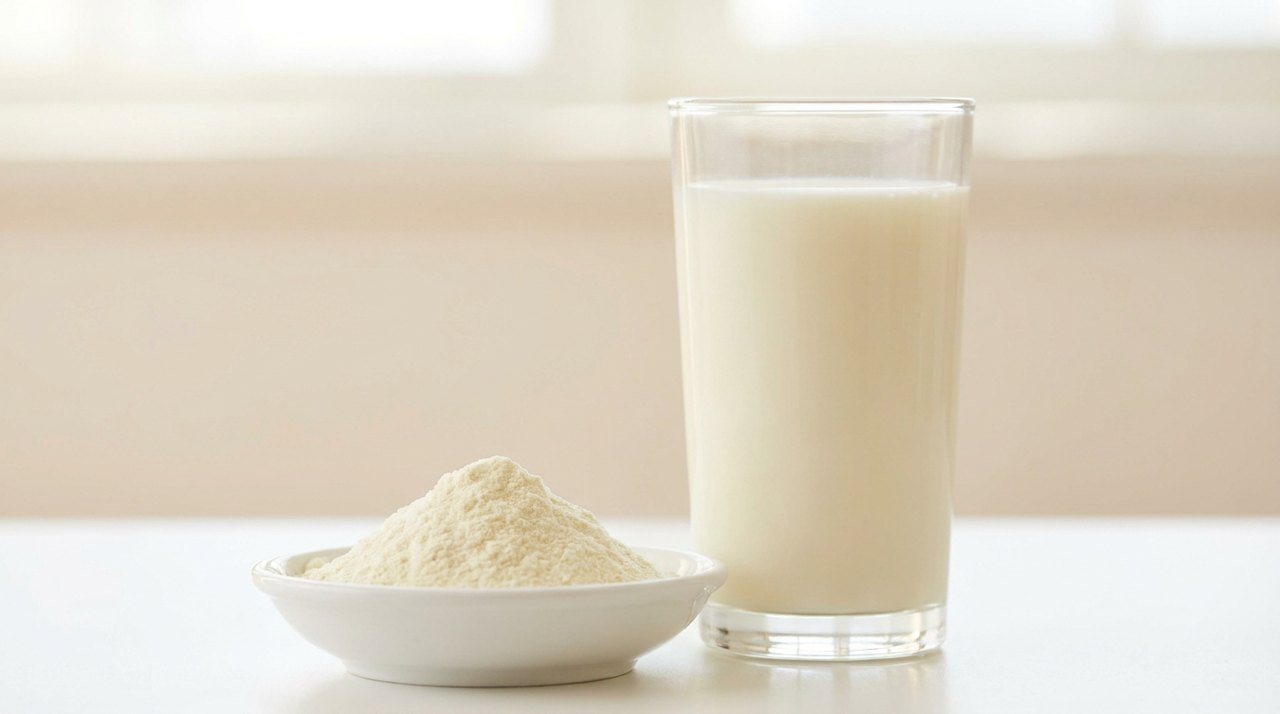
ARMRA usually costs about $3–4 per daily serving at list price, while Cowboy Colostrum usually lands around $1.50–2.50. Both sell US-sourced, grass-fed bovine colostrum powder, and neither puts a third-party-verified IgG percentage front and center. The real differences are price, how each brand markets its processing, and how much testing data you can actually get. Check current labels before you buy, because formulas, serving sizes, and prices change.
- Sourcing: Both brands say their colostrum comes from grass-fed or pasture-raised US dairy cows. Neither publicly names its farms.
- IgG: Raw first-milking colostrum often contains about 30–100 g/L of immunoglobulin, and commercial powders are often standardized to about 15–40% IgG. Neither brand's main marketing commits to one verified figure.
- Cost: ARMRA is the premium-priced option. Cowboy Colostrum typically costs less per gram, so it may give more colostrum per dollar.
- Evidence: Neither brand has published clinical trials on its own finished product. The research supporting colostrum in general comes from studies of other preparations.
- Best move: Ask each brand for a certificate of analysis (CoA) listing IgG % by weight, and compare cost per gram of IgG, not cost per scoop.
What both products actually are
Both products are spray-dried or low-heat-dried bovine colostrum, which is the first milk a cow produces after calving. Colostrum has a lot more immunoglobulins (mostly IgG), lactoferrin, growth factors such as IGF-1, and oligosaccharides than mature milk does. A typical 2–5 g serving of colostrum powder has roughly 8–20 kcal and 1–3.5 g of protein. Colostrum still contains lactose, though less than regular milk.
Neither product is a drug. Some studies on colostrum suggest it may support gut barrier function and immune markers, especially in athletes under heavy training loads. The results are mixed, though, and most trials are small. Neither brand's product has been shown to treat, cure, or prevent any disease.
Sourcing compared
ARMRA
ARMRA markets its colostrum as coming from grass-fed US cows and stresses first-milking collection with cold or low-temperature processing. It calls this a proprietary method meant to keep the bioactive compounds intact. That's plausible, since heat can denature immunoglobulins. However, ARMRA hasn't published independent, peer-reviewed data comparing its process with standard low-heat spray drying.
Cowboy Colostrum
Cowboy Colostrum also markets US-sourced, grass-fed, first-milking colostrum. Its pitch is a ranch-style "simple, minimally processed" brand, without a patented-process story. It's sold in unflavored and flavored versions.
What "first milking" and "grass-fed" really guarantee
Neither term has a strict legal definition for supplements in the US. Immunoglobulin levels drop sharply over the first few milkings after calving. Veterinary research shows IgG concentration can fall by roughly half between the first milking and the second or third. So "first milking" matters, but you can only confirm it through the supplier's documentation. A well-run dairy should also make sure calves get enough colostrum before any surplus is collected. That's a reasonable ethical question to ask either brand.
Shopping for colostrum? Our own brand is BIOMIXA grass-fed colostrum powder, direct from the maker.
IgG claims: what to look for
IgG content is the most useful single number for comparing colostrum powders. It varies a lot, from under 10% in diluted or later-milking blends to 40% or more in concentrated isolates. For a full explanation, see our IgG percentage guide.
The weak point for both brands is transparency. Their marketing focuses on "hundreds of bioactive nutrients" or "pure, first-milking colostrum" rather than a per-serving IgG figure verified by a third-party lab. That doesn't mean the IgG content is low. It means you can't confirm it from the label alone. Before you buy, it's worth asking:
- What is the IgG % by weight, and which method was used to test it (radial immunodiffusion, ELISA, or HPLC)?
- Is that number guaranteed for every lot, or is it a typical average?
- Is a lot-specific CoA available, including tests for microbes and heavy metals?
- Are there added ingredients (flavors, sweeteners, carriers) that dilute the colostrum per gram?
Flavored versions deserve extra attention. If a 5 g flavored scoop contains 1 g of cocoa and sweetener, it delivers about 20% less colostrum than an unflavored scoop of the same weight.
Side-by-side comparison
| Factor | ARMRA Colostrum | Cowboy Colostrum |
|---|---|---|
| Stated source | Grass-fed US cows, first milking | Grass-fed US cows, first milking |
| Processing claim | Proprietary low-temperature process | Minimal processing, no patented-process claim |
| Public IgG % on main marketing | Not prominently stated; ask for CoA | Not prominently stated; ask for CoA |
| Formats | Stick packs and tubs; unflavored and flavored | Tubs/pouches; unflavored and flavored |
| Typical serving | About 2–5 g (check label) | About 2–5 g (check label) |
| Approx. energy per serving | About 10–20 kcal | About 10–20 kcal |
| Approx. list price per daily serving | About $3–4 (less with subscription) | About $1.50–2.50 |
| Brand-specific clinical trials | None published in peer-reviewed journals that we know of | None published in peer-reviewed journals that we know of |
The numbers above are approximate ranges based on typical list prices and labels. Retailers, bundles, and subscription discounts change them often.
Cost: compare per gram of IgG, not per scoop
Price per serving is misleading when serving sizes and IgG content differ. A fairer metric is:
Cost per gram of IgG = price ÷ (total grams of powder × IgG fraction)
Here's a worked example using hypothetical numbers:
- Product A: $110 for 30 servings × 2.5 g = 75 g. At 25% IgG, that's 18.75 g of IgG, or about $5.87 per gram of IgG.
- Product B: $60 for 30 servings × 3 g = 90 g. At 20% IgG, that's 18 g of IgG, or about $3.33 per gram of IgG.
Even when the cheaper product has a lower IgG %, it can still deliver more IgG per dollar. Without a verified IgG % from each brand, any direct comparison is an estimate. That's why the CoA matters. For a wider look at prices across brands, see our colostrum brands compared page.
Where ARMRA's premium may or may not be worth it
You may decide ARMRA's price is worth it if you value single-serve stick packs, a specific processing approach, or the brand's flavor options. The case is weaker if your goal is simply to get the most colostrum and IgG for your money. In that case, a lower-cost powder with a verified IgG % is usually the better value.
Dose, taste, and practical use
Many human trials of colostrum have used anywhere from about 10 g up to 60 g per day, often in athletes. Most consumer products recommend 2–5 g. Some studies suggest effects may depend on dose, so a small daily scoop may not match what was tested in research. Both brands are mild and milky. Unflavored versions mix well into cold smoothies and yogurt. Avoid adding the powder to boiling liquids, which may degrade some of the proteins. If you're sensitive to dairy, pregnant, or taking medication, review our dosage and safety notes and talk to a clinician first.
Bottom line
ARMRA and Cowboy Colostrum make very similar sourcing claims: US, grass-fed, first-milking colostrum. The biggest measurable difference is price. ARMRA costs noticeably more and builds its brand around a proprietary process. Cowboy Colostrum is generally cheaper per gram. Neither publishes enough standardized IgG data for a precise head-to-head comparison. If value matters most to you, ask both brands for a lot-specific CoA, calculate the cost per gram of IgG, and pick the one that gives you verified IgG at the lower price.
FAQ
Is ARMRA better quality than Cowboy Colostrum?
There's no published independent evidence that either one is better. Both claim grass-fed, first-milking US colostrum. ARMRA promotes a proprietary low-temperature process, but no peer-reviewed comparison has tested it against standard low-heat drying. Quality comes down to verified IgG %, microbial testing, and heavy-metal results, which you can only confirm through a lot-specific certificate of analysis from each brand.
How much IgG is in a typical colostrum scoop?
It depends on serving size and how concentrated the powder is. A 3 g scoop of powder standardized to 25% IgG gives about 0.75 g of IgG. At 15%, it gives about 0.45 g. Many brands don't print a per-serving IgG figure, so ask for it. Flavored versions contain less colostrum per gram because added ingredients take up some of the weight.
Is the cheaper colostrum less effective?
Not necessarily. Price reflects branding, packaging, and marketing as much as what's inside. A cheaper powder with a verified 20–30% IgG can deliver more immunoglobulin per dollar than a premium one. The research on colostrum's effects is still limited and mixed, so neither price level guarantees a noticeable benefit.
Can I take colostrum if I am lactose intolerant?
Possibly, but be careful. Colostrum powder contains some lactose, usually less than regular milk powder, though the amount varies by product. Some people with mild intolerance handle a 2–5 g serving fine, while others get bloating. Start with a small amount, check the label, and avoid colostrum entirely if you have a confirmed cow's milk protein allergy.
Sources
- Playford RJ, Weiser MJ. Bovine Colostrum: Its Constituents and Uses. Nutrients. 2021;13(1):265.
- Ulfman LH, Leusen JHW, Savelkoul HFJ, Warner JO, van Neerven RJJ. Effects of Bovine Immunoglobulins on Immune Function, Allergy, and Infection. Frontiers in Nutrition. 2018;5:52.
- Godden SM, Lombard JE, Woolums AR. Colostrum Management for Dairy Calves. Veterinary Clinics of North America: Food Animal Practice. 2019;35(3):535–556.
- Kelly GS. Bovine colostrums: a review of clinical uses. Alternative Medicine Review. 2003;8(4):378–394.
- Playford RJ, Macdonald CE, Johnson WS. Colostrum and milk-derived peptide growth factors for the treatment of gastrointestinal disorders. American Journal of Clinical Nutrition. 2000;72(1):5–14.
BIOMIXA Bluegrass Colostrum
A single-ingredient, grass-fed, unflavored colostrum powder (stated IgG of at least 25%) from the team behind this site. See how it compares in our 9-brand price and IgG comparison. Sold direct by the maker at biomixa.com.
Disclosure: BIOMIXA is our own brand — this site is run by the makers of BIOMIXA colostrum. We also earn a commission on Amazon purchases. Full disclosure.