Is ARMRA Colostrum Worth It? An Honest Cost-per-Serving and IgG Breakdown
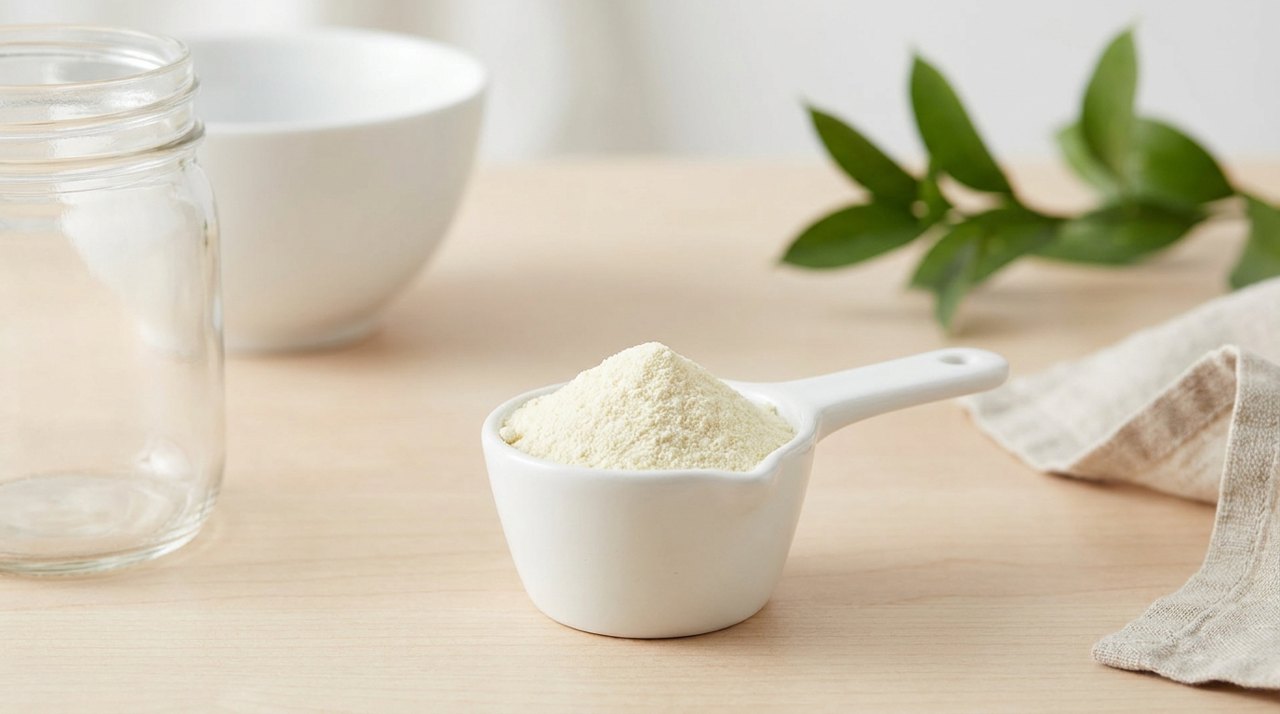
For most buyers, ARMRA is worth it only if you value its convenience and flavor. At roughly $2.00–$2.50 per serving, it usually costs 2–3 times more per gram than plain bovine colostrum powder. The marketing leads with "400+ bioactive nutrients" rather than a clear, guaranteed IgG percentage, so it is hard to compare on what you actually get. Below is the math, the label questions to ask, and when paying the premium makes sense.
Key takeaways
- Prices change, but recent pricing for a 30-serving pouch has been about $59–$74 depending on whether you subscribe. That works out to about $2.00–$2.50 per serving.
- A typical unflavored colostrum powder costs about $0.70–$1.30 per 5–6 g serving.
- IgG (immunoglobulin G) is the most commonly cited way to compare colostrum quality. Quality powders often list 15–30% or more.
- If a brand doesn't state IgG per serving, you can't calculate cost per gram of IgG. You're paying partly for branding, flavor systems, and packaging.
- Human evidence for colostrum is promising in some areas, like gut barrier markers in athletes, but it is limited. No brand has shown it works better than others in head-to-head trials.
What you're actually paying for
ARMRA Colostrum is a bovine colostrum powder sold in pouches and single-serve sticks. It comes in unflavored and several flavored versions. Like other colostrum products, it is the early milk cows produce in the first days after calving. That milk is dried into a powder that contains immunoglobulins, lactoferrin, growth factors, and other proteins. If you're new to the basics, our primer on what colostrum is explains how it differs from regular milk.
ARMRA charges a premium for several things:
- Processing claims: the brand describes a low-temperature process intended to preserve bioactive compounds. Most premium competitors say something similar, and outside comparisons are scarce.
- Flavor and mixability: the flavored versions are designed to taste good in water, which plain colostrum often doesn't.
- Format: single-serve sticks cost more to make and ship than a bulk tub.
- Marketing: heavy social media and influencer promotion is part of the cost structure for most direct-to-consumer brands.
None of these is inherently bad. But only the first relates to what the colostrum might do in your body, and it is the hardest one to verify.
Shopping for colostrum? Our own brand is BIOMIXA grass-fed colostrum powder, direct from the maker.
Cost per serving: the math
Serving sizes vary between brands, so comparing "per serving" can mislead. A fairer comparison is cost per gram of colostrum, and ideally cost per gram of IgG. The figures below are approximate ranges as of late 2026. Check current prices before you decide, because subscriptions, bundles, and sales shift these numbers a lot.
| Option | Typical serving | Approx. cost per serving | Approx. cost per gram | IgG disclosed? | kcal per serving |
|---|---|---|---|---|---|
| ARMRA (pouch, one-time purchase) | ~6 g | ~$2.40–$2.50 | ~$0.40 | Not prominently as a guaranteed % | ~20–25 |
| ARMRA (subscription) | ~6 g | ~$1.95–$2.10 | ~$0.33 | Same as above | ~20–25 |
| Mid-range unflavored powder, IgG listed | 5 g | ~$0.90–$1.30 | ~$0.18–$0.26 | Usually (often 20–30%) | ~18–20 |
| Budget bulk colostrum powder | 5 g | ~$0.60–$0.90 | ~$0.12–$0.18 | Sometimes | ~18–20 |
| Colostrum capsules | 1–2 g (2–4 caps) | ~$0.40–$0.90 | ~$0.35–$0.50 | Varies | ~4–8 |
Colostrum powder is mostly protein, so a 5–6 g scoop usually contains about 18–25 kcal. Flavored versions with added sweeteners or fruit powders may be slightly higher. Capsules look cheap per serving, but they supply far less colostrum per dose. That's why their cost per gram is closer to premium powders. For more on that trade-off, see powder vs capsules.
The IgG problem: why it matters for value
Immunoglobulin G makes up most of the immunoglobulin in bovine colostrum. Researchers and manufacturers commonly use it as a marker of quality and of how early the colostrum was collected. Fresh first-milking colostrum can contain very high IgG concentrations, which then fall quickly over the next few milkings (Godden et al., 2019). Dried commercial powders on the market range from under 10% to over 40% IgG by weight.
Modeling ARMRA at different IgG levels
Without a guaranteed IgG figure, the best you can do is estimate. Here is what a ~6 g serving at about $2.10 (subscription) would mean at different assumed IgG levels:
- At 15% IgG: ~0.9 g IgG per serving, or about $2.33 per gram of IgG
- At 25% IgG: ~1.5 g IgG per serving, or about $1.40 per gram of IgG
- At 35% IgG: ~2.1 g IgG per serving, or about $1.00 per gram of IgG
For comparison, a $1.10 serving of 5 g powder labeled at 25% IgG provides about 1.25 g IgG, or roughly $0.88 per gram. Even in the most generous scenario, ARMRA rarely beats a well-labeled mid-range powder on cost per gram of IgG.
Before you buy any brand, contact the company or look for a certificate of analysis. Our IgG percentage guide explains how to read these numbers and which testing methods to look for.
Is IgG the whole story?
No. Colostrum also contains lactoferrin, IgA, growth factors such as IGF-1 and TGF-β, oligosaccharides, and many other components (Playford & Weiser, 2021). A brand could reasonably argue that its processing preserves these better. But "400+ nutrients" is a description, not a measurement. Almost every whole colostrum contains hundreds of compounds. Until brands publish comparable lab data, IgG remains the most practical comparison point.
What does the research support?
The research behind colostrum is mostly on generic bovine colostrum, not on any specific brand. Some findings worth knowing:
- Gut barrier in athletes: small controlled trials suggest colostrum may reduce the increase in gut permeability markers after heavy exercise in the heat (Davison et al., 2016).
- Upper respiratory symptoms: a trial in active men found fewer days with self-reported upper respiratory symptoms during colostrum use (Jones et al., 2014). Samples were small, and the results haven't been consistently replicated.
- Doses in studies: many trials used 10–20 g per day or more. That is two to four ARMRA-sized servings. If you want to match study doses, ARMRA's daily cost could reach $4–$10.
The last point is often overlooked. If you're buying colostrum because of a study, check the dose that study used. Paying a premium per gram makes research-level doses expensive. Our dosage and safety page covers typical ranges and who should be cautious, such as people with a cow's milk allergy.
The evidence is still early. Colostrum is a dietary supplement. It is not a treatment for any disease, and claims of dramatic "immune transformation" go beyond what controlled studies show.
When ARMRA may be worth the premium
- You won't take plain colostrum. If the taste of unflavored powder means you'd stop after a week, a pricier product you actually take is better value than a cheap tub you abandon.
- You need travel-friendly sticks. Single-serve packets are convenient. Several cheaper brands offer them too, though.
- You take one serving a day and cost isn't a concern. At about $60–$75 a month, the premium is modest in absolute terms for some households.
When a cheaper option likely makes more sense
- You want to match study doses of 10–20 g a day.
- You care about verified IgG content and want a certificate of analysis.
- You're mixing it into smoothies or coffee, where flavor matters less.
- You're buying for more than one person in your household.
To see how specific brands compare on price, IgG disclosure, and sourcing, see our colostrum brands comparison.
FAQ
How much does ARMRA cost per serving?
ARMRA has recently cost about $2.40–$2.50 per serving at one-time pricing and about $1.95–$2.10 with a subscription, based on 30-serving pouches. Prices change often with promotions and bundles, so check the current listing. Compare cost per gram as well, since serving sizes differ between colostrum brands.
Does ARMRA list its IgG percentage?
ARMRA's marketing focuses on "400+ bioactive nutrients" rather than a prominent, guaranteed IgG percentage. Labels and product pages can change, so check the current packaging or ask customer service for a certificate of analysis. Without a stated IgG figure, you can't reliably calculate cost per gram of IgG or compare it directly with brands that do disclose it.
Is ARMRA better than cheaper colostrum powders?
No published head-to-head human trials show that ARMRA works better than other quality bovine colostrum powders. Its advantages are mostly practical: flavor, mixability, and packaging. A well-sourced, third-party tested powder with a disclosed IgG percentage may give similar or better value per gram. That matters especially at higher daily doses.
How many calories are in a serving of ARMRA?
A serving of about 6 g of colostrum powder typically has around 20–25 kcal, mostly from protein, with a small amount of lactose and fat. Flavored versions may be slightly higher depending on added ingredients. Check the nutrition panel on your specific product, especially if you're counting calories or using it during a fasting protocol.
Sources
- Playford RJ, Weiser MJ. Bovine colostrum: its constituents and uses. Nutrients. 2021;13(1):265.
- Davison G, Marchbank T, March DS, Thatcher R, Playford RJ. Zinc carnosine works with bovine colostrum in truncating heavy exercise–induced increase in gut permeability in healthy volunteers. American Journal of Clinical Nutrition. 2016;104(2):526–536.
- Jones AW, Cameron SJ, Thatcher R, Beecroft MS, Mur LA, Davison G. Effects of bovine colostrum supplementation on upper respiratory illness in active males. Brain, Behavior, and Immunity. 2014;39:194–203.
- Stelwagen K, Carpenter E, Haigh B, Hodgkinson A, Wheeler TT. Immune components of bovine colostrum and milk. Journal of Animal Science. 2009;87(13 Suppl):3–9.
- Godden SM, Lombard JE, Woolums AR. Colostrum management for dairy calves. Veterinary Clinics of North America: Food Animal Practice. 2019;35(3):535–556.
BIOMIXA Bluegrass Colostrum
A single-ingredient, grass-fed, unflavored colostrum powder (stated IgG of at least 25%) from the team behind this site. See how it compares in our 9-brand price and IgG comparison. Sold direct by the maker at biomixa.com.
Disclosure: BIOMIXA is our own brand — this site is run by the makers of BIOMIXA colostrum. We also earn a commission on Amazon purchases. Full disclosure.