Is Colostrum Vegan? Vegetarian, Ethical, and Plant-Based Alternatives
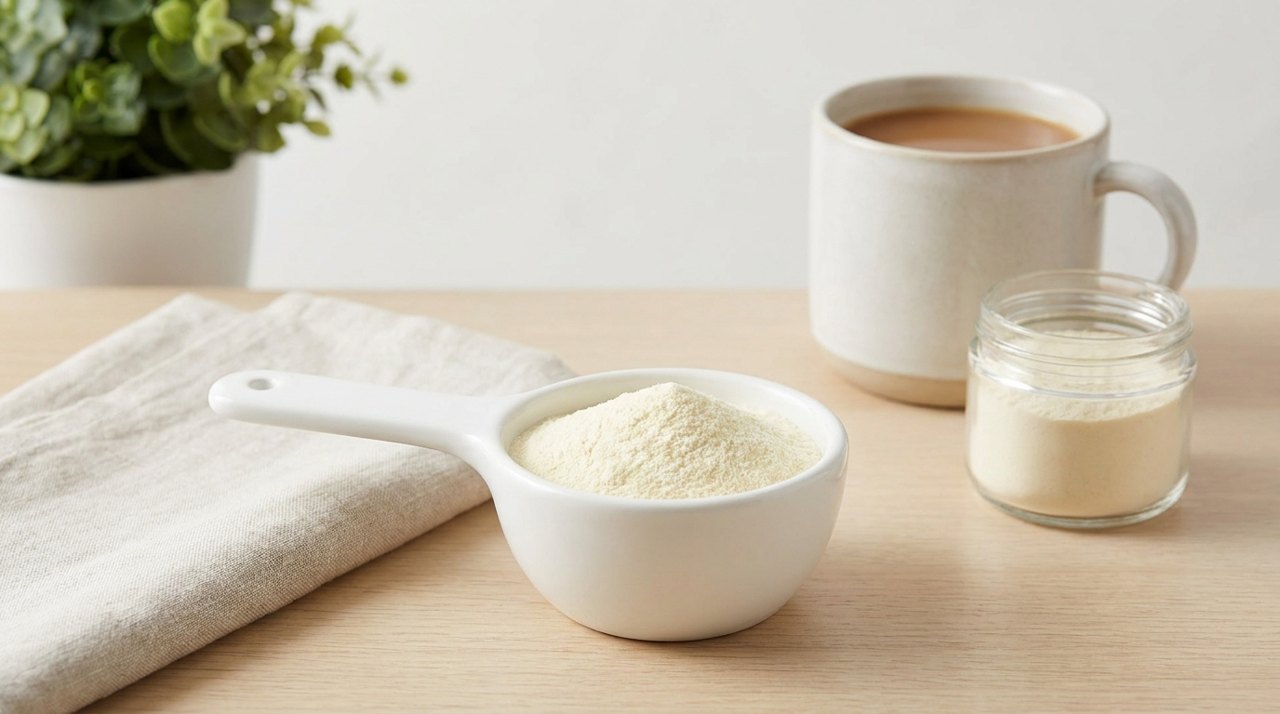
As bovine colostrum continues to gain recognition for its potential to support gut health and immune function, consumers are increasingly asking questions about its origins. For individuals following plant-based, vegan, or vegetarian lifestyles, determining whether a supplement aligns with their dietary ethics is a crucial first step. Because colostrum is the first milk produced by mammals after giving birth, it is inherently an animal product. However, the nuances of lacto-vegetarianism, ethical harvesting practices, and the availability of plant-based alternatives warrant a closer, evidence-based look.
Key Takeaways
- Not Vegan, but Vegetarian-Friendly: Bovine colostrum is a dairy secretion, meaning it is strictly excluded from vegan diets. However, it is entirely suitable for lacto-vegetarians.
- Ethical Harvesting Relies on Surplus: A healthy dairy cow produces significantly more colostrum than her calf needs. Ethical brands only harvest the surplus after the calf's biological requirements are met.
- Passive Immunity is Unique to Mammals: Plants do not produce antibodies (immunoglobulins). Therefore, a 1:1 identical vegan substitute for colostrum does not exist.
- Plant-Based "Stacks" Can Mimic Benefits: Vegans can target similar biological pathways—such as gut barrier integrity and immune modulation—using evidence-backed plant compounds like L-glutamine, beta-glucans, and prebiotics.
Understanding Bovine Colostrum: Why It Is Not Vegan
To understand why colostrum does not fit into a vegan lifestyle, it helps to understand what bovine colostrum actually is. Colostrum is the thick, nutrient-dense fluid produced by the mammary glands of female mammals (in this case, cows) during the first 24 to 48 hours after parturition (giving birth). It serves as the newborn calf's first meal, delivering essential macronutrients alongside a highly concentrated matrix of bioactive compounds.
A typical 5-gram serving of high-quality bovine colostrum powder contains roughly 15 to 20 kilocalories, providing 2 to 3 grams of protein, minimal fat, and small amounts of naturally occurring milk sugars (lactose). Beyond basic nutrition, it is prized for its biological complexity. Bovine colostrum is often standardized to contain 15% to 20% Immunoglobulin G (IgG), alongside lactoferrin, growth factors (such as IGF-1 and TGF-beta), and proline-rich polypeptides (PRPs).
Because bovine colostrum is an animal-derived dairy product, it strictly violates the core tenet of veganism, which seeks to exclude all forms of animal exploitation, meat, and animal secretions (including milk, eggs, and honey). Any supplement labeled as "bovine colostrum" is, by definition, not vegan.
Is Colostrum Vegetarian?
While vegans abstain from all animal products, vegetarianism exists on a spectrum. The most common form of vegetarianism in Western cultures is lacto-ovo vegetarianism or lacto-vegetarianism, diets that exclude meat, poultry, and fish but allow for the consumption of dairy and eggs.
For a lacto-vegetarian, bovine colostrum is entirely permissible. No animals are slaughtered to harvest colostrum. It is collected via milking, much like standard dairy milk. Therefore, if you currently consume milk, cheese, or whey protein, bovine colostrum fits seamlessly into your dietary framework.
Shopping for colostrum? Our current best-value pick is BIOMIXA grass-fed colostrum powder on Amazon.
Ethical Considerations in Sourcing
For many vegetarians and conscious consumers, the decision to use a dairy product hinges heavily on animal welfare. The most common ethical concern regarding bovine colostrum is whether harvesting it deprives the newborn calf of its vital first nutrition. In commercial dairy farming, the timeline and volume of colostrum intake are critical to the calf's survival.
Unlike human babies, calves are born without a developed immune system. They rely entirely on the maternal antibodies provided in colostrum—a process known as passive transfer of immunity. A newborn calf requires approximately 10% to 12% of its body weight in colostrum within the first 12 to 24 hours of life. For an average Holstein calf, this equates to roughly 4 liters. After 24 hours, the calf's intestinal lining begins to "close," drastically reducing its ability to absorb these large, intact immune proteins.
Fortunately, bovine biology naturally accounts for a wide margin of error. A healthy dairy cow typically produces between 10 and 15 liters of colostrum in her first milking. This leaves a surplus of 6 to 11 liters after the calf has received its mandatory share. When looking at how to choose ethically sourced products, consumers should seek out brands that explicitly guarantee the calf gets its required colostrum first. Reputable manufacturers strictly use the surplus from the first and second milkings, ensuring the calf's health is never compromised for supplement production.
Are There Plant-Based or Vegan Alternatives to Colostrum?
Because colostrum is unique to mammalian biology, there is no such thing as "vegan colostrum." Plants do not possess immune systems that produce immunoglobulins (antibodies) like IgG or IgA, nor do they produce mammalian growth factors. Any product marketed as a "vegan colostrum" is actually a marketing term for a blend of plant-based ingredients designed to mimic colostrum's effects.
However, if you are vegan and looking to support the same biological pathways that colostrum targets—namely gut barrier integrity and immune modulation—there are several evidence-backed plant and fungal compounds that can serve as excellent alternatives.
L-Glutamine for Gut Barrier Support
One of the primary reasons people take bovine colostrum is to support the intestinal mucosal barrier and mitigate intestinal permeability (often colloquially referred to as "leaky gut"). A highly effective, vegan-friendly alternative for this specific goal is L-glutamine. L-glutamine is the most abundant amino acid in the human body and serves as the preferred primary fuel source for enterocytes (the cells that line the intestinal tract).
Clinical studies suggest that supplementing with 5 to 10 grams of L-glutamine daily may help maintain the integrity of the gut lining, particularly during times of physical stress or illness. L-glutamine can be easily synthesized through the fermentation of plant matter, making it a staple in vegan gut-health protocols.
Beta-Glucans for Immune Modulation
Bovine colostrum relies on antibodies and proline-rich polypeptides to support immune function. For a plant-based alternative, vegans can look to beta-glucans. Beta-glucans are naturally occurring polysaccharides found in the cell walls of fungi (such as Reishi, Shiitake, and Turkey Tail mushrooms), yeast (Saccharomyces cerevisiae), and certain grains like oats.
Research indicates that specific beta-glucans—particularly the 1,3/1,6-beta-glucan structures found in yeast and mushrooms—act as immunomodulators. They bind to receptors on immune cells like macrophages and natural killer (NK) cells, essentially "priming" the immune system to respond more efficiently to pathogens without overstimulating it. Typical evidence-based dosages range from 100 mg to 500 mg daily.
Plant-Derived Prebiotics for Microbiome Health
Colostrum contains specific milk oligosaccharides that act as prebiotics, feeding beneficial bacteria in the infant gut. Vegans can easily replicate this prebiotic effect using plant-based fibers. Ingredients such as acacia fiber, inulin (from chicory root), and fructooligosaccharides (FOS) are excellent at stimulating the growth of beneficial Bifidobacteria and Lactobacilli in the colon.
Comparing Bovine Colostrum to Vegan Alternatives
To help visualize how plant-based supplements compare to bovine colostrum, the table below breaks down the primary bioactive compounds and their target mechanisms.
| Supplement Type | Primary Bioactive Compounds | Target Mechanism | Vegan / Vegetarian Status |
|---|---|---|---|
| Bovine Colostrum | IgG, Lactoferrin, IGF-1, PRPs | Passive immunity, gut barrier repair, microbiome support | Vegetarian (Lacto), Not Vegan |
| L-Glutamine | Amino Acid (Glutamine) | Enterocyte fuel, tight junction support in the intestinal lining | 100% Vegan |
| Medicinal Mushrooms | 1,3/1,6 Beta-Glucans, Triterpenes | Macrophage priming, immunomodulation | 100% Vegan |
| Acacia Fiber / Inulin | Soluble Prebiotic Fiber | Feeds beneficial gut microbiota, short-chain fatty acid production | 100% Vegan |
Formulating a Vegan "Colostrum-Like" Stack
Because no single plant ingredient can replicate colostrum, vegans seeking similar benefits often combine supplements into a daily "stack." While this stack will lack the direct passive immunity provided by mammalian antibodies, it can provide robust, evidence-minded support for both the gut and the immune system.
A daily vegan regimen designed to mimic the dual-action benefits of colostrum might look like this:
- 5 grams of L-Glutamine powder: Mixed into water on an empty stomach to support intestinal wall integrity.
- 250 mg of Yeast or Mushroom-derived Beta-Glucans: Taken daily to support systemic immune surveillance.
- 5 grams of Acacia Fiber: Added to a smoothie or oatmeal to provide gentle prebiotic support for the microbiome.
- A high-quality vegan Probiotic: To introduce beneficial strains that plant fibers can nourish.
FAQ
Does bovine colostrum contain lactose?
Yes, bovine colostrum naturally contains lactose, though typically in lower concentrations than mature cow's milk. A standard 3-gram serving generally contains less than 0.5 grams of lactose. While many individuals with mild sensitivities tolerate it well, those with severe lactose intolerance or dairy allergies should review dosage and safety guidelines and consult a physician before use.
Can vegans consume human colostrum?
Ethically, some strict vegans argue that human breast milk or human colostrum, when freely given with informed consent, does not violate vegan principles since no animal exploitation is involved. However, functionally, human colostrum is exclusively reserved for human infants and is not commercially available as a dietary supplement.
Is there a synthetic colostrum on the market?
No true synthetic colostrum exists. Bovine colostrum contains thousands of complex, naturally occurring bioactives—including folded immune proteins, living cells, and delicate enzymes—that cannot currently be synthesized or replicated in a laboratory setting. Any product claiming to be "synthetic" or "vegan colostrum" is simply a blend of plant extracts.
Does harvesting colostrum harm the cow or the calf?
When sourced ethically, the harvesting process does not harm the cow or the calf. The cow is milked using standard dairy procedures. The primary ethical concern is ensuring the calf receives its necessary 4 liters of colostrum first. Reputable supplement brands mandate strict welfare protocols to guarantee the calf's nutritional needs are fully met before any surplus is collected.
Sources
- Playford, R. J., Macdonald, C. E., & Johnson, W. S. (2000). "Bovine colostrum is a health food supplement which prevents NSAID induced gut damage." Gut, 46(5), 772-778.
- Uruakpa, F. O., Ismond, M. A. H., & Akobundu, E. N. T. (2002). "Colostrum and its benefits: a review." Nutrition Research, 22(6), 755-767.
- Steele, M. A., Elsasser, T. H., & Kahl, S. (2016). "Symposium review: Colostrum and calf nutrition." Journal of Dairy Science, 99(11), 8689-8699.
- Volman, J. J., Ramakers, J. D., & Plat, J. (2008). "Dietary changes of the immune system by beta-glucans." Physiology & Behavior, 94(2), 276-284.
BIOMIXA Bluegrass Colostrum
A grass-fed, unflavored colostrum powder that balances quality and price well — our pick for the best bang for your buck. Check the current price and reviews on Amazon.
Disclosure: BIOMIXA is our own brand — this site is run by the makers of BIOMIXA colostrum. We also earn a commission on Amazon purchases. Full disclosure.