Colostrum and Your Skin Barrier: Hype vs Plausible Mechanisms
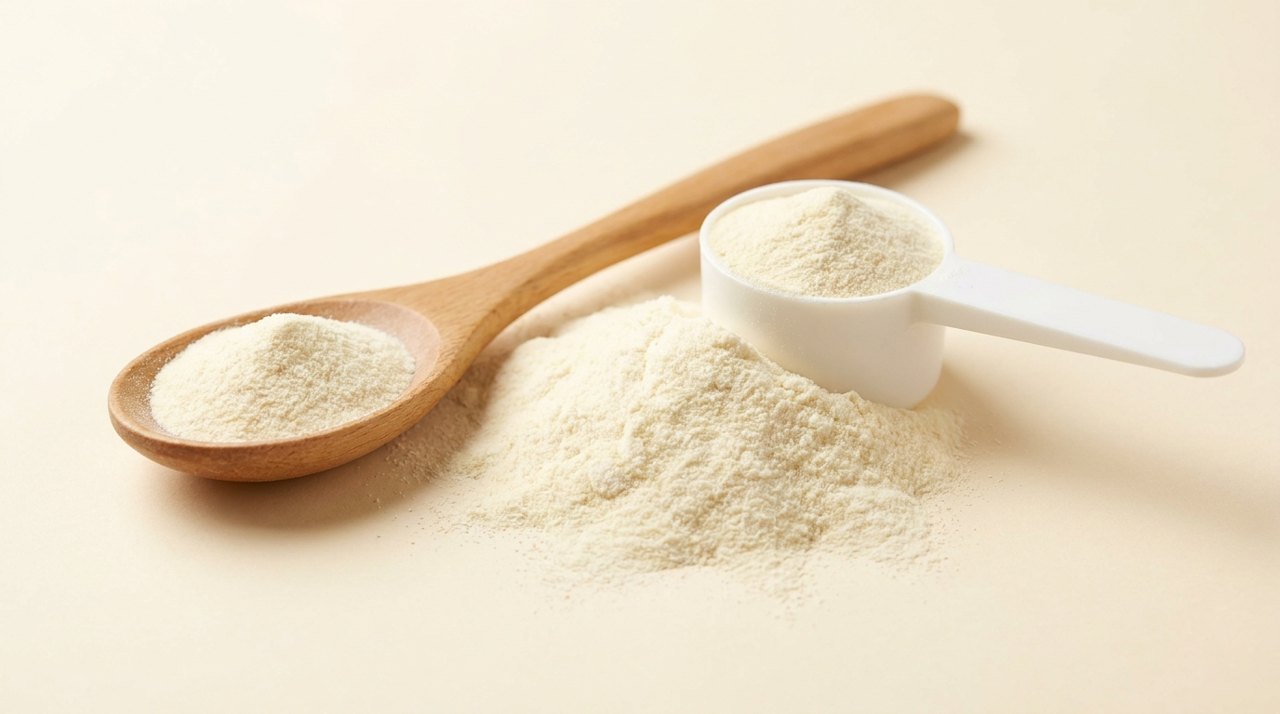
Bovine colostrum has become a fixture in "gut-skin axis" marketing, often promoted as a way to strengthen your skin barrier from the inside out. Some of the underlying biology is genuinely interesting, but much of what you read online outruns the evidence. Here we separate the plausible mechanisms from the hype, and stay honest about how thin the human skin-specific data really is.
What "skin barrier" actually means
Your skin barrier is mostly the stratum corneum — the outermost layer of skin cells held together by lipids — plus the microbiome and immune signaling that keep it functional. A healthy barrier locks in moisture and keeps irritants out. When people talk about supplements "supporting" the barrier, they usually mean supporting the systems that maintain it: hydration, inflammation regulation, and gut integrity. That distinction matters, because colostrum is taken orally and has to act indirectly.
Plausible mechanisms worth taking seriously
Colostrum is rich in bioactive components, and a few of them have a reasonable theoretical link to skin health. To understand what's inside it, see our overview of what colostrum is.
- Growth factors (IGF-1, TGF-β, EGF): these regulate cell turnover and tissue repair in the body. The catch: oral growth factors are largely digested as proteins, so systemic effects on skin from swallowing them are speculative rather than demonstrated.
- Gut barrier support: this is the strongest link. Some studies suggest colostrum may help maintain intestinal barrier integrity. Since gut inflammation can influence skin, a calmer gut is a plausible route to calmer skin — the so-called gut-skin axis.
- Immunoglobulins and lactoferrin: these have antimicrobial and immune-modulating properties in the gut. Whether that translates to measurable skin-barrier benefits in humans is unproven.
Shopping for colostrum? Our current best-value pick is BIOMIXA grass-fed colostrum powder on Amazon.
Where the hype gets ahead of the evidence
Marketing claims often present colostrum as a proven fix for eczema, acne, wrinkles, or a "damaged" skin barrier. The honest picture is more modest:
- Most mechanistic evidence comes from lab, animal, or exercise/gut studies — not from trials measuring skin outcomes.
- Growth factors surviving digestion and reaching skin intact is biologically unlikely for most components.
- "Barrier repair" is a claim about treating a condition; colostrum is a dietary supplement and is not established to treat, cure, or prevent any skin disease.
In short, "may support the systems that maintain skin health" is a defensible statement. "Repairs your skin barrier" is not.
Hype vs plausible: a quick comparison
| Claim you might see | Evidence status |
|---|---|
| Directly rebuilds the skin barrier | Not supported in humans |
| Cures eczema or acne | No — disease claim, not established |
| May support gut integrity, indirectly aiding skin | Plausible; limited human data |
| Supplies proteins and bioactives involved in repair | True in composition; systemic skin effect unproven |
What a reasonable person can conclude
If you already take colostrum for gut or general wellness reasons, any skin benefit is a possible bonus rather than a reliable outcome. If your only goal is skin-barrier repair, topical approaches with stronger evidence — gentle cleansing, ceramide-containing moisturizers, and sun protection — deserve first priority. Colostrum may complement those habits, but it isn't a substitute. You can read more about the general benefits people look to colostrum for to keep those expectations in context.
If you want to try it anyway
- Set realistic expectations: think "supportive," not "corrective," and give it weeks, not days.
- Choose quality: sourcing and processing vary widely — our guide on how to choose colostrum covers what to look for.
- Mind the basics: review typical dosage and safety considerations, and note that colostrum is dairy-derived, so those with milk allergies should avoid it.
The bottom line
Colostrum's composition gives it a plausible, indirect role in supporting the systems behind healthy skin — mainly through gut integrity and its bioactive proteins. But direct human evidence for skin-barrier repair is currently weak, and claims of curing skin conditions are unsupported. Treat it as a supplement that may help around the edges, keep your expectations grounded, and prioritize the skincare fundamentals that are actually well established.
BIOMIXA Bluegrass Colostrum
A grass-fed, unflavored colostrum powder that balances quality and price well — our pick for the best bang for your buck. Check the current price and reviews on Amazon.
Disclosure: BIOMIXA is our own brand — this site is run by the makers of BIOMIXA colostrum. We also earn a commission on Amazon purchases. Full disclosure.