Colostrum, Stress and Sleep: Is There a Connection?
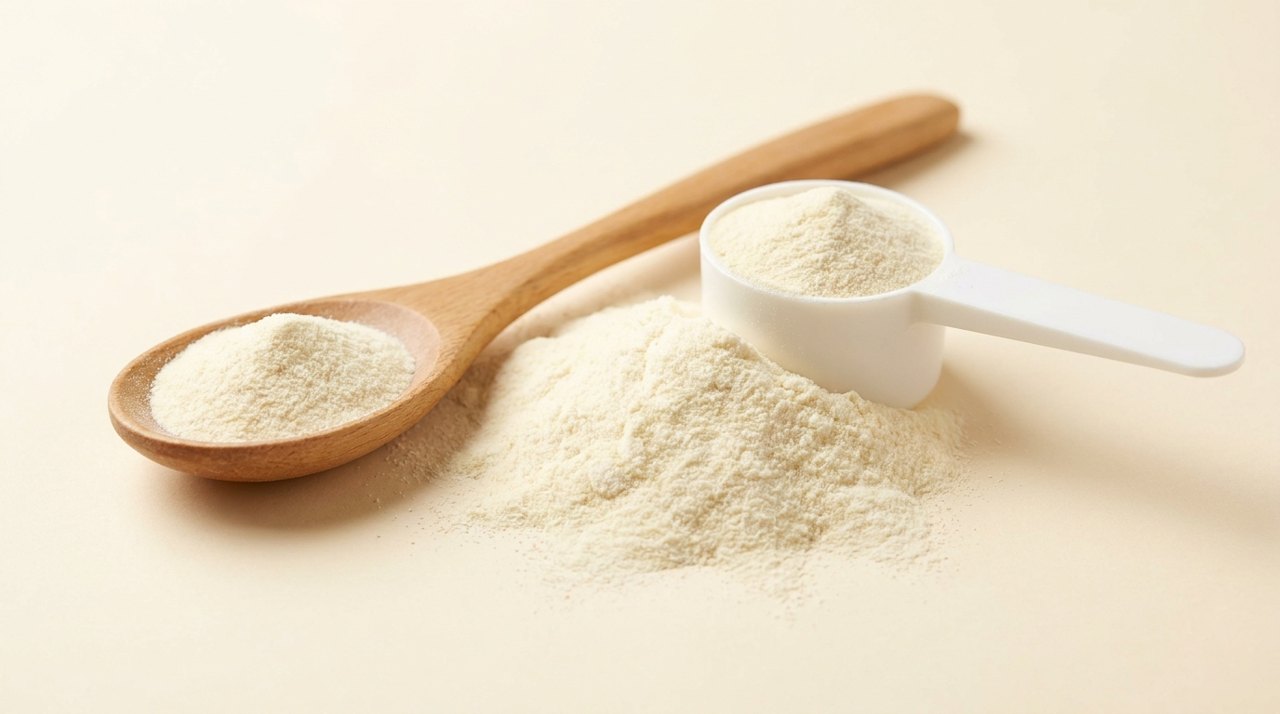
Bovine colostrum is best known for its immune and gut-related properties, but a quieter question keeps surfacing in forums and supplement marketing: can colostrum help you feel less stressed or sleep better? The honest answer is that the direct evidence is thin. Still, there are a few plausible, indirect pathways worth understanding — along with some claims that deserve healthy skepticism.
Why the question comes up at all
Colostrum — the first milk produced after birth — is a dense mixture of immunoglobulins, lactoferrin, growth factors, and milk proteins such as alpha-lactalbumin and casein. (If you're new to the topic, our overview of what colostrum is covers the basics.) Several of these components have been studied, in various forms, in the context of stress physiology and sleep. That's where the connection idea comes from: not from large trials showing colostrum improves sleep, but from research on related dairy fractions and on stress in specific populations, mostly athletes.
What the research actually looks at
Physical stress in athletes
The most developed body of colostrum research involves physical, not psychological, stress. Intense exercise temporarily increases intestinal permeability and can suppress some immune markers. A number of small studies suggest bovine colostrum supplementation may help maintain gut barrier integrity and reduce the incidence of upper respiratory symptoms in heavily training athletes. These findings are interesting, but they concern the body's response to exercise stress — they don't tell us anything about feeling calmer or coping with a demanding job.
Milk proteins and relaxation
Some ingredients found in milk have been studied for psychological stress. Alpha-lactalbumin is relatively rich in tryptophan, the amino acid precursor to serotonin and melatonin, and a few small studies suggest tryptophan-rich protein fractions may modestly influence mood or sleep quality in stress-vulnerable people. Separately, a specific hydrolyzed casein peptide (often sold as "casein hydrolysate" or lactium) has shown mild calming effects in some small trials. Two caveats matter here: these studies used isolated, concentrated fractions rather than whole colostrum, and colostrum supplements are not standardized for these components. You cannot assume a colostrum capsule delivers what those studies tested.
The gut–brain angle
There is growing general interest in the gut–brain axis — the idea that gut barrier function and the microbiome influence stress responses and sleep. Since colostrum is studied mainly for gut-related effects, it's tempting to connect the dots: better gut integrity, better stress resilience, better sleep. This is a hypothesis, not an established chain of evidence. No well-controlled trial has demonstrated that colostrum improves sleep quality or reduces perceived stress in the general population.
Shopping for colostrum? Our current best-value pick is BIOMIXA grass-fed colostrum powder on Amazon.
Sorting stronger claims from weaker ones
| Claim | State of the evidence |
|---|---|
| Colostrum may support gut barrier function under heavy exercise stress | Several small studies; modest but reasonably consistent signals |
| Tryptophan-rich milk proteins may influence sleep or mood | Limited studies on isolated fractions, not whole colostrum |
| Colostrum reduces anxiety or cortisol in everyday life | Not demonstrated; largely marketing extrapolation |
| Colostrum treats insomnia or anxiety disorders | No — colostrum is a dietary supplement, not a treatment for any condition |
If you want to experiment sensibly
Some people take colostrum for its better-studied uses and simply observe whether their sleep or stress levels change. If you go that route, a few practical points help you evaluate it fairly:
- Keep expectations modest. Any effect on sleep or stress, if it exists, is likely to be subtle and indirect.
- Change one thing at a time. If you start colostrum alongside magnesium, a new bedtime routine, and less caffeine, you won't know what did what.
- Give it a few weeks and track something concrete — time to fall asleep, night wakings, or a simple 1–10 stress rating — rather than relying on vague impressions.
- Timing probably matters less than marketing implies. There's no solid evidence that evening dosing produces a sedative effect; take it whenever it's consistent for you.
- Follow sensible dosing. Typical amounts range from about 1 to 10 grams daily; our dosage and safety guide covers ranges, who should be cautious, and when to talk to a doctor.
Who should be cautious
Colostrum is a dairy product. People with milk allergy should avoid it, and those with lactose intolerance may or may not tolerate it depending on the product. Anyone dealing with persistent insomnia, significant anxiety, or chronic stress symptoms should treat those as medical questions first — poor sleep can signal conditions that a supplement won't address, and effective, well-evidenced treatments exist. Colostrum should never substitute for medical care.
The bottom line
There is a plausible-sounding story connecting colostrum to stress and sleep — through exercise-stress research, tryptophan-rich milk proteins, and the gut–brain axis — but plausible stories are not proof. The direct evidence that colostrum supplementation improves sleep quality or lowers psychological stress is currently weak to nonexistent. If you take colostrum, do so for its better-supported gut and immune-related uses, and treat any calming or sleep benefit as a possible bonus rather than the reason to buy. As with any supplement decision, start with realistic expectations, track your own response, and prioritize the fundamentals — consistent sleep schedule, light exposure, exercise, and stress management — that actually have strong evidence behind them.
BIOMIXA Bluegrass Colostrum
A grass-fed, unflavored colostrum powder that balances quality and price well — our pick for the best bang for your buck. Check the current price and reviews on Amazon.
Disclosure: BIOMIXA is our own brand — this site is run by the makers of BIOMIXA colostrum. We also earn a commission on Amazon purchases. Full disclosure.