Colostrum and Histamine Sensitivity: What We Know
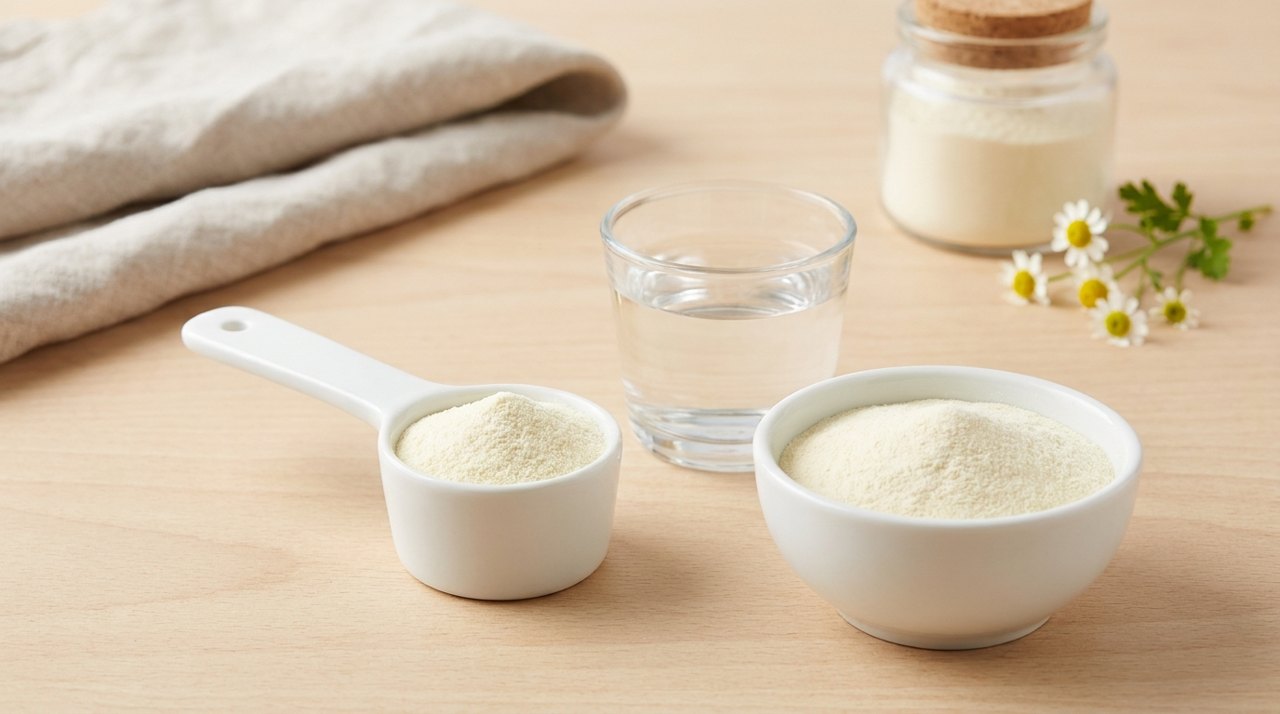
Bovine colostrum has become a popular supplement among people managing digestive and immune concerns — a group that overlaps considerably with those who suspect they react to histamine in foods. That overlap raises a practical question: is colostrum a reasonable choice for someone with histamine sensitivity, or could it make things worse? The honest answer is that direct research on this specific question is thin, but there is enough related science to sketch out what we know, what we don't, and how to approach it cautiously.
A quick primer on histamine sensitivity
Histamine is a signaling molecule involved in immune responses, stomach acid production, and neurotransmission. Most people break down dietary histamine easily, primarily using an enzyme in the gut called diamine oxidase (DAO). Some people appear to tolerate histamine poorly — a pattern often called histamine intolerance — and may experience symptoms such as flushing, headaches, nasal congestion, hives, or digestive upset after eating histamine-rich or histamine-releasing foods.
It's worth noting that histamine intolerance itself is an evolving diagnosis. There is no single validated test, prevalence estimates vary widely, and researchers continue to debate how best to identify it. That uncertainty carries over to any discussion of how supplements interact with it.
Is colostrum itself high in histamine?
Fresh dairy products, including milk, are generally considered low in histamine. Histamine in dairy builds up mainly through fermentation and aging — which is why aged cheeses, kefir, and yogurt are frequently flagged on low-histamine diets while fresh milk usually is not. Colostrum, the first milk produced after calving, is typically collected fresh and then processed (often low-heat pasteurized and spray-dried) into powder. On that basis, a well-handled colostrum powder would be expected to be relatively low in histamine, though published measurements of histamine content in commercial colostrum supplements are scarce.
Two caveats matter here:
- Processing and storage vary. Biogenic amines can form when dairy is handled poorly or stored too long before drying. Product quality is not uniform across brands, so manufacturing standards matter — our guide on how to choose a colostrum supplement covers what to look for.
- Histamine content isn't the whole story. Some foods that are low in histamine are still suspected of triggering the body's own histamine release (so-called "histamine liberators"). Whether colostrum acts this way in sensitive individuals has not been formally studied.
Shopping for colostrum? Our current best-value pick is BIOMIXA grass-fed colostrum powder on Amazon.
Could colostrum's components interact with histamine pathways?
Colostrum is a complex mixture of immunoglobulins, growth factors, lactoferrin, and other bioactive proteins (see what colostrum is and what it contains). A few of these components are at least theoretically relevant:
Gut barrier support
Some small studies suggest colostrum may help support the integrity of the intestinal lining, particularly under stress such as intense exercise. Since DAO — the main enzyme that degrades dietary histamine — is produced by cells lining the small intestine, a healthier gut lining could, in principle, support normal histamine handling. This is a plausible mechanism, not a demonstrated outcome; no study has tested whether colostrum changes DAO activity or histamine tolerance in humans.
Immune-modulating proteins
Lactoferrin and other colostrum proteins have shown immune-modulating properties in laboratory research, including some effects on mast cells (the cells that release histamine) in cell and animal models. These findings are preliminary and inconsistent, and lab effects often fail to translate into meaningful effects in people.
The flip side: dairy proteins as triggers
Colostrum is a dairy product containing casein and whey proteins. People with a true milk allergy should avoid it entirely, and some individuals with histamine issues report reacting to dairy proteins generally. Colostrum also contains lactose, which can cause overlapping digestive symptoms in lactose-intolerant users and muddy any attempt to judge tolerance.
What the evidence does and doesn't show
| Question | State of the evidence |
|---|---|
| Is fresh dairy low in histamine? | Reasonably well established |
| Is commercial colostrum powder low in histamine? | Plausible, but rarely measured or published |
| Does colostrum support gut barrier function? | Suggested by small human studies; not conclusive |
| Does colostrum improve histamine tolerance? | No direct human studies |
| Can colostrum trigger reactions in sensitive people? | Possible (dairy allergy, individual variability); not systematically studied |
The bottom line from this table: nearly everything specific to histamine sensitivity is inference, not evidence. Anyone claiming colostrum "fixes" histamine intolerance is well ahead of the science.
Practical considerations if you're histamine-sensitive
- Rule out milk allergy first. Colostrum is unambiguously off the table for anyone allergic to cow's milk.
- Choose fresh-processed, quality-tested products. Look for brands that disclose sourcing and use low-heat processing shortly after collection.
- Start low and go slow. Begin with a fraction of the label dose and increase gradually while watching for symptoms. General guidance is in our dosage and safety overview.
- Change one variable at a time. Introducing colostrum alongside other diet changes makes it impossible to tell what caused what.
- Involve your clinician. Histamine-type symptoms overlap with many conditions that deserve proper evaluation, and a healthcare provider can help you interpret your response.
The takeaway
Colostrum is not an established remedy for histamine sensitivity, and it should not be marketed as one — it is a dietary supplement, not a treatment for any condition. That said, as a fresh dairy derivative, a well-manufactured colostrum powder is not an obvious high-histamine offender, and its possible gut-supportive properties make it something some histamine-sensitive people choose to trial carefully. Until direct research exists, cautious self-observation, good product selection, and professional guidance are the most evidence-minded tools available.
BIOMIXA Bluegrass Colostrum
A grass-fed, unflavored colostrum powder that balances quality and price well — our pick for the best bang for your buck. Check the current price and reviews on Amazon.
Disclosure: BIOMIXA is our own brand — this site is run by the makers of BIOMIXA colostrum. We also earn a commission on Amazon purchases. Full disclosure.