Immunoglobulins (IgG) in Colostrum, Explained Simply
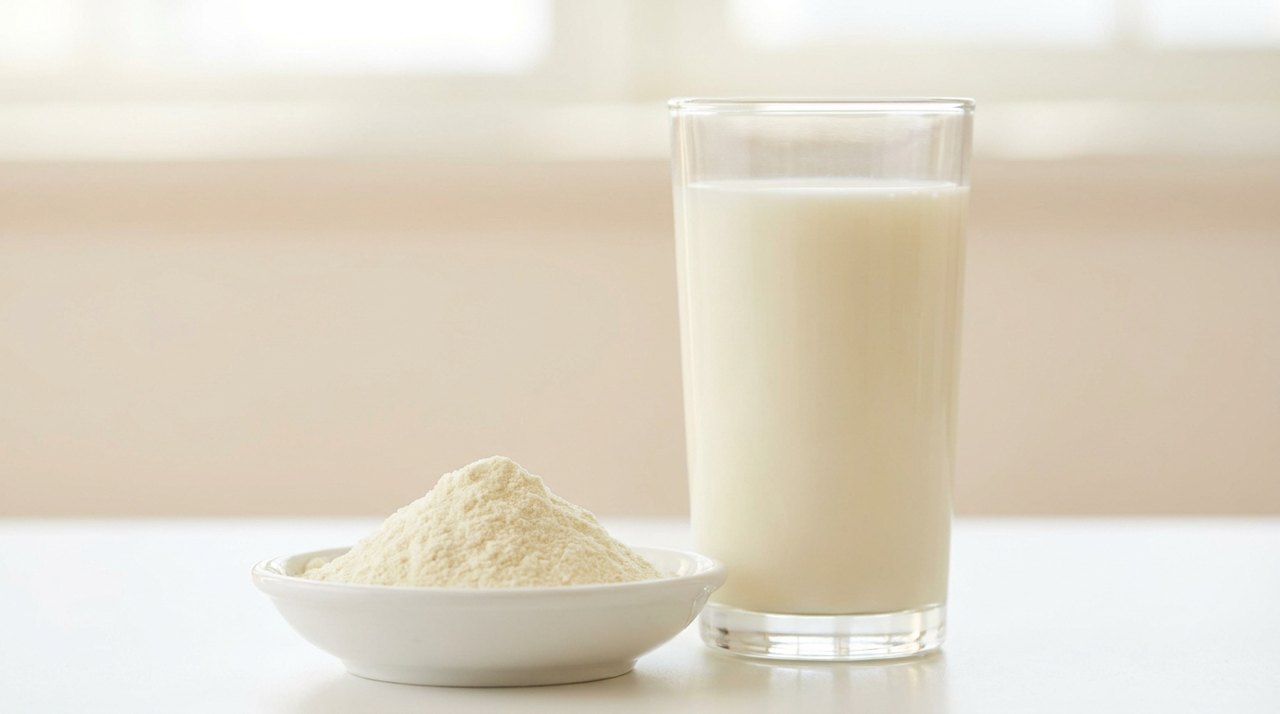
Immunoglobulins — especially immunoglobulin G, or IgG — are the antibodies that make colostrum so interesting to researchers and supplement users alike. In simple terms, they are protein molecules a mother's body produces to recognize and bind specific germs. This article explains what IgG is, why it appears in such high amounts in colostrum, and what the current evidence does and does not support.
What are immunoglobulins?
Immunoglobulins are Y-shaped proteins, also called antibodies, made by the immune system. Each one is shaped to latch onto a particular target — a virus, bacterium, or toxin — much like a key fits a lock. Once bound, antibodies can neutralize the target or flag it for removal. Humans and cattle both produce several classes, named by letters: IgG, IgA, IgM, IgE, and IgD.
IgG is the most abundant antibody in blood and the dominant immunoglobulin in bovine colostrum. That is why colostrum products are often marketed around their IgG content.
Why colostrum is so rich in IgG
Colostrum is the first milk a cow produces in the hours after calving. Unlike humans, calves are born without antibodies transferred through the placenta, so they depend almost entirely on colostrum to receive their mother's antibodies in those first feedings. Nature concentrates IgG heavily in this early milk for that reason.
Key points about colostrum IgG:
- It is concentrated. First-milking bovine colostrum can contain many times more IgG than mature milk.
- It drops quickly. IgG levels fall sharply within the first day or two after calving, which is why timing of collection matters for quality.
- It is the headline number. Many supplements list an IgG percentage; see how to choose a product for what that figure does and doesn't tell you.
Does IgG survive digestion?
This is the central, honest question — and the evidence is mixed. IgG is a protein, and the stomach is designed to break proteins down. Some studies suggest a meaningful fraction of colostrum IgG can survive transit through the gut, where it may act locally within the digestive tract rather than being absorbed whole into the bloodstream. Other research points to substantial degradation.
What seems most plausible from current data is that any benefit in adults is likely to occur within the gut itself — for example, antibodies binding pathogens in the intestinal lining — rather than through whole antibodies entering circulation. This remains an area where larger, better-controlled human trials are needed.
What the evidence suggests — and its limits
Researchers have studied colostrum and its immunoglobulins for several possible roles. It is important to read these cautiously: colostrum is a dietary supplement, not a treatment, and it is not proven to cure, treat, or prevent any disease.
| Area studied | State of evidence |
|---|---|
| Gut and digestive comfort | Some small studies are encouraging; quality and size vary |
| Exercise-related gut stress in athletes | Preliminary; results are inconsistent |
| General immune support | Mechanistically plausible but not firmly established in humans |
Across these areas, study sizes are often small, products differ widely in IgG content, and independent replication is limited. You can read a fuller, hedged overview on our benefits page.
How IgG content varies between products
Two colostrum supplements can differ dramatically in their actual IgG, depending on:
- Collection timing — first-milking colostrum is richest.
- Processing — gentle, low-heat methods aim to preserve fragile proteins, while high heat can denature antibodies.
- Labeling honesty — some labels state a guaranteed minimum IgG percentage; others are vague.
If a product's IgG matters to you, look for a stated percentage and third-party testing. Format can play a role too — our powder vs capsules comparison covers practical trade-offs.
Practical takeaways
- IgG is the main antibody in colostrum, and colostrum is naturally rich in it because newborn calves depend on it.
- Whether — and how much — IgG survives adult digestion is genuinely uncertain; any effect is likely local to the gut.
- Evidence for specific benefits is preliminary and should be read with caution.
- Product quality varies; check IgG claims and testing before buying.
For dosing considerations and who should be careful, see our notes on dosage and safety. Colostrum is a food-derived supplement, and people who are pregnant, immunocompromised, or have dairy allergies should speak with a healthcare professional first.
BIOMIXA Bluegrass Colostrum
A grass-fed, unflavored colostrum powder that balances quality and price well — our pick for the best bang for your buck. Check the current price and reviews on Amazon.