Bovine Colostrum vs. Whey Protein: How They Differ
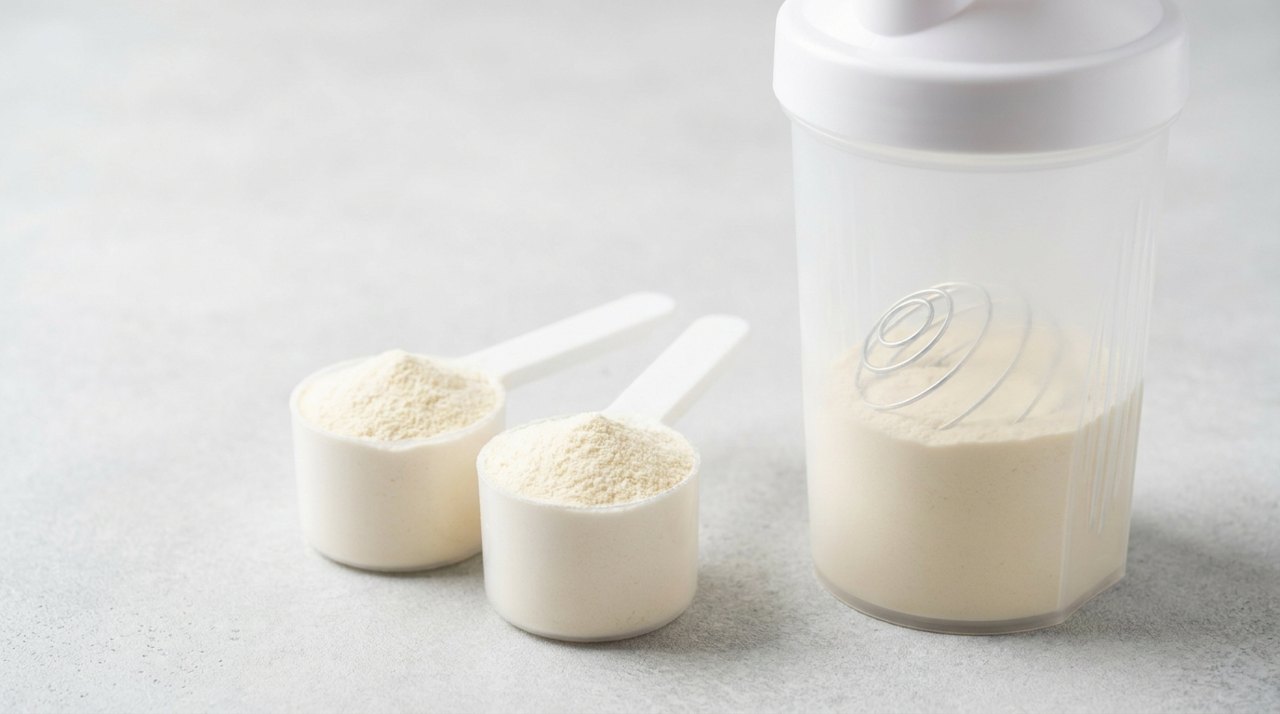
Bovine colostrum and whey protein both come from cow's milk, and both are popular supplements—but they are not interchangeable. Colostrum is the nutrient-dense "first milk" produced in the days around calving, while whey is a byproduct of cheese-making prized mainly for its protein. Understanding how they differ can help you decide which (if either) fits your goals.
What each one actually is
Whey protein is one of the two major proteins in milk (the other being casein). During cheese production, milk separates into curds and liquid whey; that whey is filtered and dried into the powders sold as concentrate, isolate, or hydrolysate. Its appeal is simple: a concentrated, fast-digesting source of high-quality protein and amino acids.
Bovine colostrum is a different substance entirely. It is the specialized secretion mammals produce immediately after giving birth, before regular milk comes in. Beyond protein, it contains a broad mix of bioactive compounds—immunoglobulins (antibodies), lactoferrin, growth factors, and oligosaccharides. If you're new to the topic, our overview of what colostrum is covers the basics in more depth.
Nutritional and compositional differences
The headline difference is purpose. Whey is built around protein density; colostrum is built around bioactivity. A whey isolate may be 90% protein by weight, whereas colostrum's protein content is typically lower and accompanied by a much wider range of components.
| Feature | Whey protein | Bovine colostrum |
|---|---|---|
| Source | Liquid left from cheese-making | First milk after calving |
| Primary role | Protein and amino acid supply | Bioactive immune and growth compounds |
| Protein content | High (often 70–90%) | Moderate, more variable |
| Immunoglobulins | Trace | Notably high |
| Lactoferrin & growth factors | Low | Present in meaningful amounts |
| Typical serving | 20–30 g | Often 1–10 g (see product labels) |
What the evidence suggests for each
Whey protein has a large, fairly consistent body of research behind its core use: supporting muscle protein synthesis and helping people meet protein targets, particularly around resistance training. That doesn't make it magic, but as a protein source its effects are well characterized.
Colostrum's evidence base is younger and more mixed. Some studies suggest it may support gut barrier function, immune markers, and recovery in athletes, but trials are often small, vary widely in dosage, and don't always agree. The bioactive compounds are interesting, yet how much survives digestion and translates into real-world benefit is still being worked out. We summarize the current state of research on the benefits page. Importantly, neither supplement is shown to treat, cure, or prevent any disease—both are dietary supplements, not medicines.
Which should you choose?
The honest answer is that they solve different problems, so "better" depends on your goal.
- If your aim is hitting a protein target—for muscle, satiety, or convenience—whey is the more straightforward, better-evidenced, and usually cheaper-per-gram choice.
- If you're curious about gut or immune support and willing to accept that the evidence is preliminary, colostrum is the one with the relevant bioactive profile.
- Some people use both, treating whey as a daily protein staple and colostrum as a separate, smaller supplement.
Can they be combined?
Yes—there's no inherent conflict in taking both, since they serve different roles and you'd dose them independently. If you go this route, follow each product's labeled serving rather than swapping one for the other gram-for-gram. Our dosage and safety guide covers typical colostrum amounts and who should be cautious.
Cost, sourcing, and tolerance
Whey is mass-produced and inexpensive. Colostrum is a limited resource—each cow produces it only briefly after calving—so quality products tend to cost more and vary more between brands. That makes sourcing matter: look at immunoglobulin content, collection practices, and processing. Our how-to-choose guide walks through what to check on a label.
Both are dairy-derived, so neither suits a true dairy allergy. People who are lactose intolerant sometimes tolerate whey isolate or colostrum better than milk because of lower lactose content, but reactions are individual—start small and see.
The bottom line
Whey protein and bovine colostrum overlap only in their origin. Whey is a proven, affordable way to add high-quality protein. Colostrum is a more complex, bioactive supplement whose potential is intriguing but still backed by limited and uneven evidence. Match the supplement to your actual goal, set realistic expectations, and consider speaking with a healthcare professional before adding either—especially colostrum—to your routine. You can explore more comparisons and explainers in our articles library.